When do yellow-billed cuckoos arrive and leave Maine?
The Yellow-billed Cuckoo is a summer breeder in Maine — here is when to expect it, when it leaves, and how to be ready.

Feeders for yellow-billed cuckoos
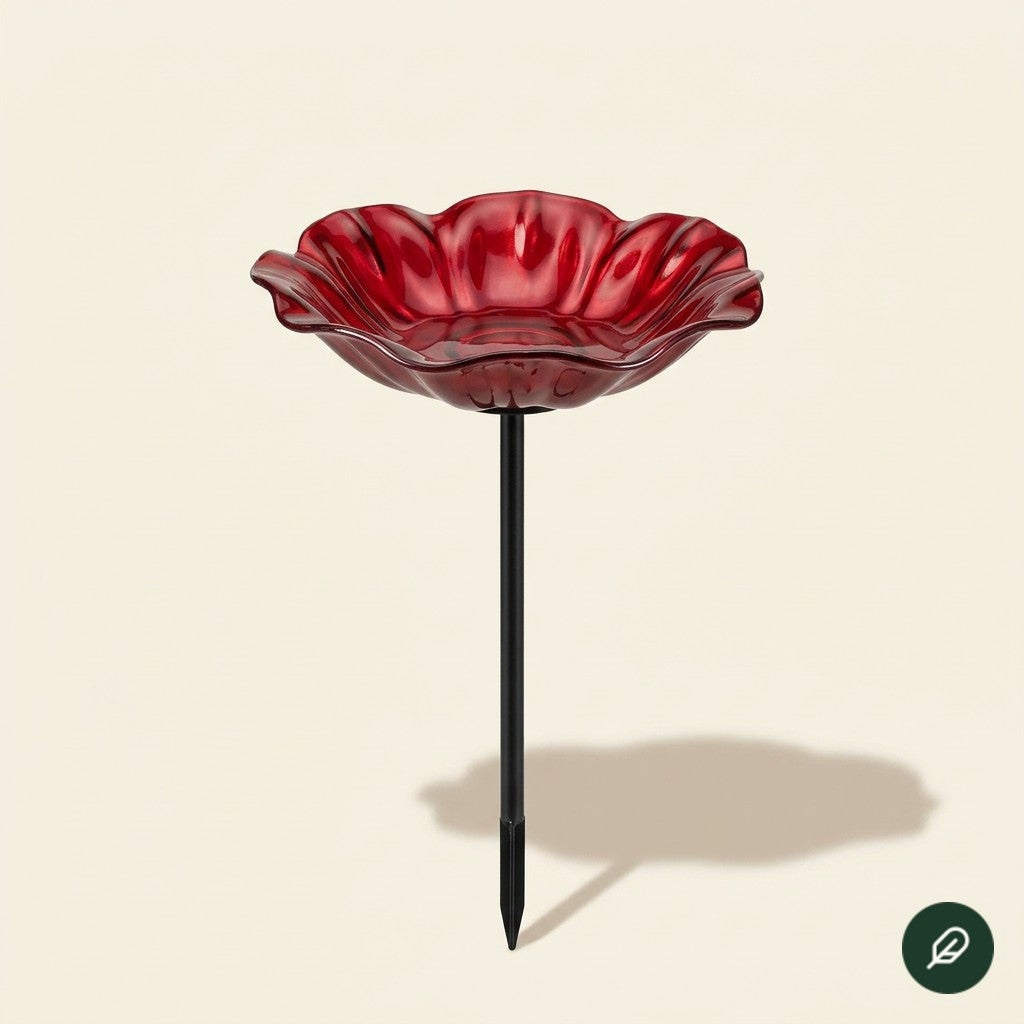
Flower Stake Bird Bath
A flower-shaped bird bath on a slim garden stake. The metal bowl holds water for drinking and bathing, and the dark center gives small birds a textured spot to grip. Push the stake into a flower bed or lawn and it's ready — no tools, no assembly beyond threading the bowl onto the stake. Bowl: 5.1 in (13 cm) across, flower-shaped, painted metal Stake: 17.3 in (44 cm) tall, black metal, pushes into soil Colors: Red, Blue, Orange, Purple Use: water for drinking and bathing; shallow depth suits small songbirds Care: tip out and rinse every few days in summer to keep water fresh and mosquitoes down Best placed near shrubs or cover so birds feel safe stopping to drink. Bring it in over hard freezes to protect the finish.
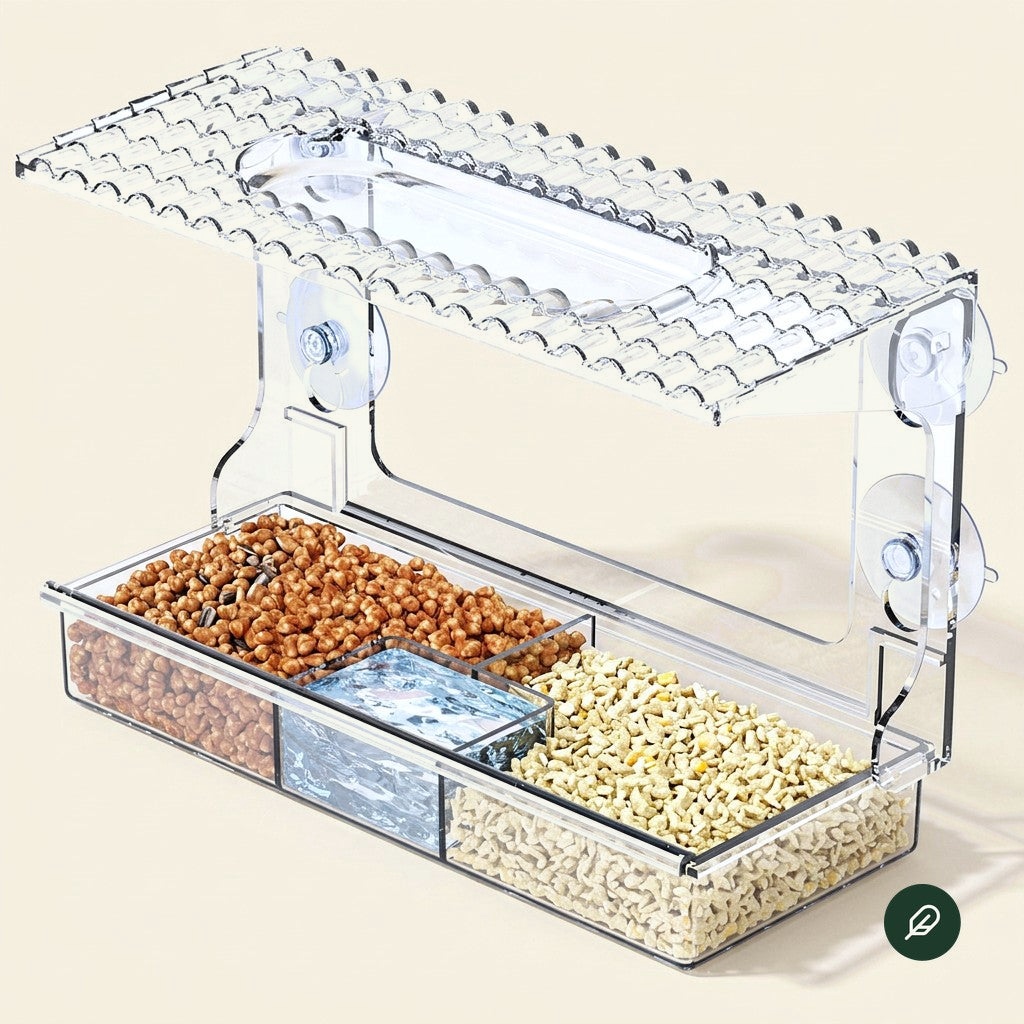
Window Feeder with Roof Bath
A wide clear acrylic window feeder with a textured roof that holds a shallow pool of water for small birds, plus a lift-out tray split into seed and water sections.Specs Clear acrylic, 4 suction cups Removable tray with drainage holes Roof basin catches rain; top it up in dry spells Tips Small birds only; jays and larger birds will crowd it. Pull the tray and rinse it weekly so wet seed doesn't mold.
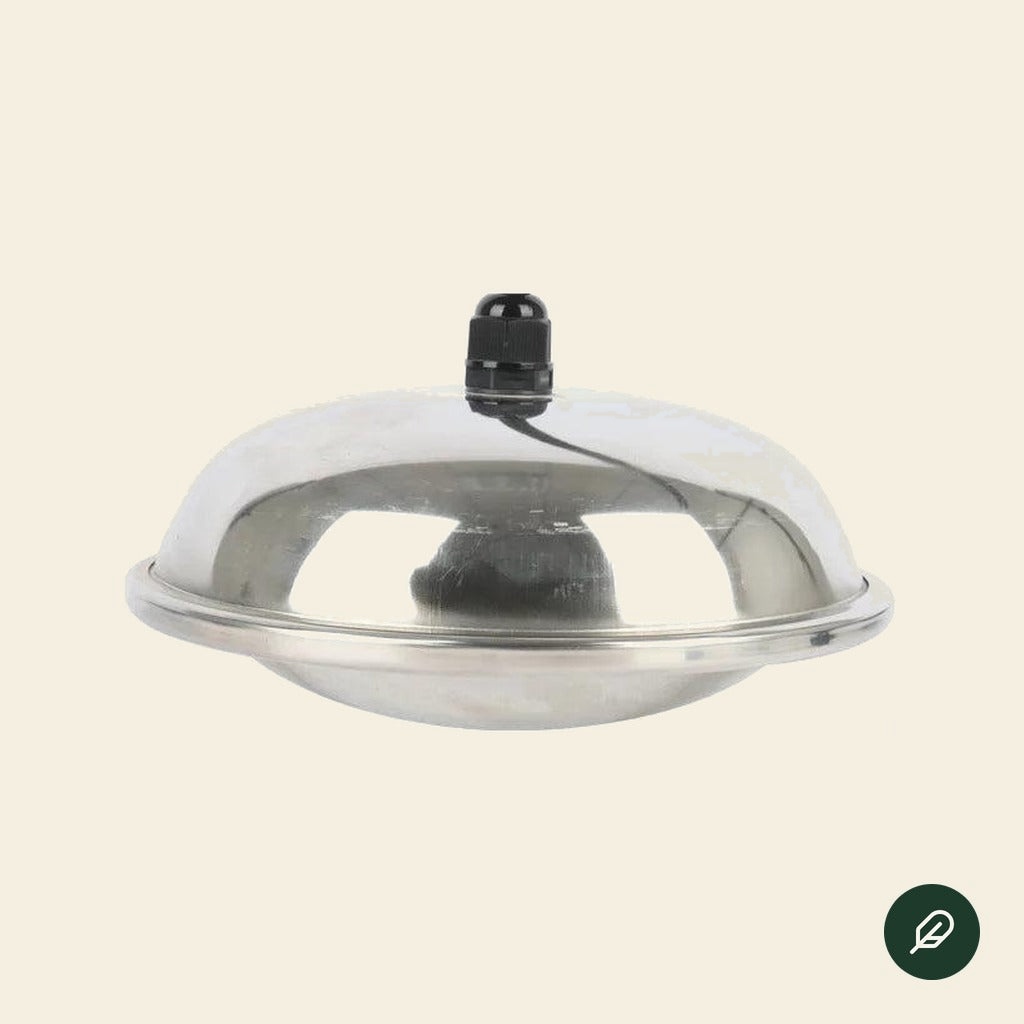
Stainless Steel Pond and Birdbath Deicer
A stainless steel dome heater that sits in a pond or large birdbath and keeps a patch of water open through freezing weather, so birds can still drink and bathe in winter. It has a built-in thermostat and a dry-run cut-off that switches the heater off if it's left out of water. Dimensions: 180 mm (7.1 in) across, 83.9 mm (3.3 in) tall Material: stainless steel dome, black power cord Power options: 100W, 150W, 200W, 250W or 300W. Smaller birdbaths need less power; ponds and very cold areas need more. Weight: about 1.9 kg (4.1 lb) Plug: US 3-prong, 120V Use with a GFCI-protected outdoor outlet. Keep the cord out of reach of pets and away from where people walk.
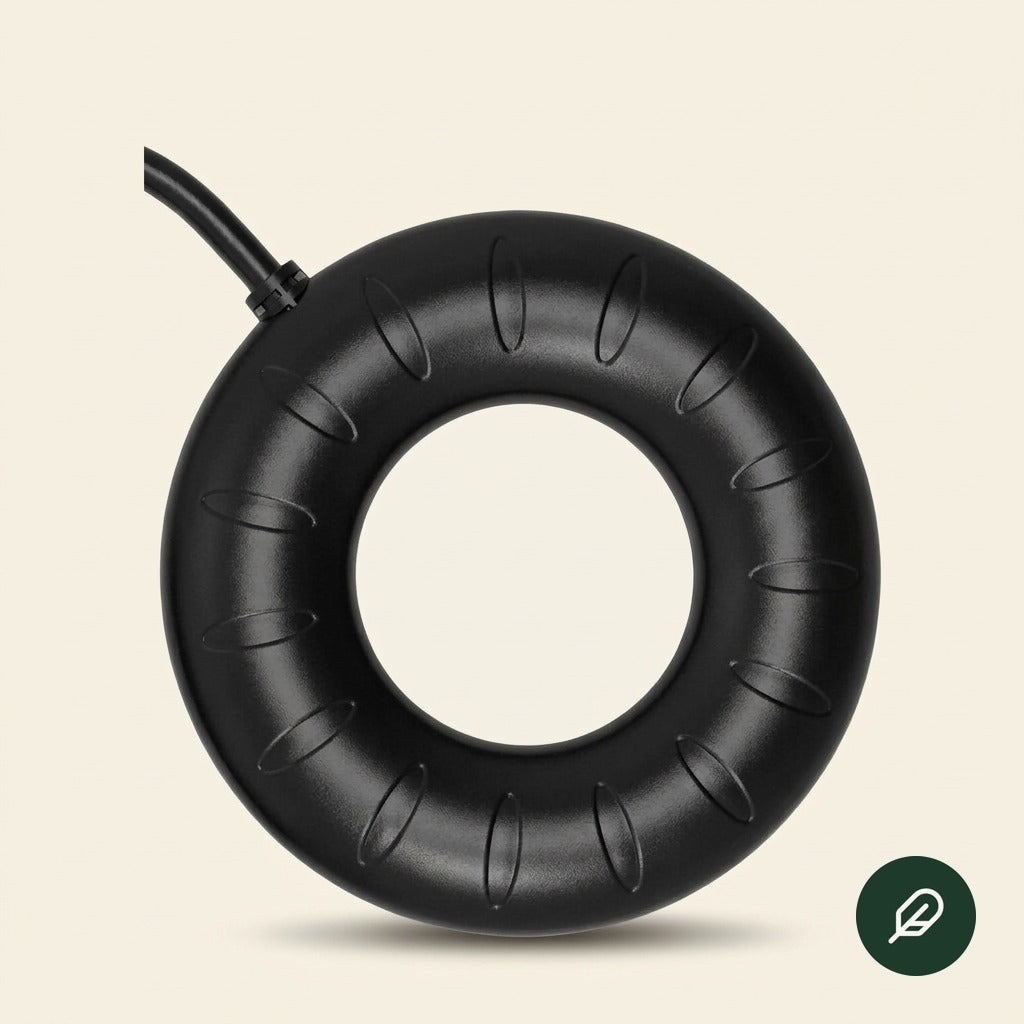
70W Trough and Bath Deicer
A 70-watt submersible deicer that keeps a small open-water area in a bird bath or livestock trough through hard freezes. Runs on standard 120V US household power with a thermostatic control that switches on near freezing and off when the water is ice-free, so it does not run continuously.Specs: 70 W, 120V US plug, submersible sealed element, black housing. Sized for small baths and troughs; it keeps a drinking hole open rather than warming the whole bath — birds only need liquid water, not warm water.Safety note: this is an electrical appliance used outdoors in water. We list it only once a valid UL/ETL safety certification is confirmed. Always plug into a GFCI-protected outdoor outlet and route the cord so birds and pets cannot chew it.
Arrival and departure
- Arrives
- Around May
- Leaves
- By September
- Status here
- Summer breeder
- Nesting season
- June–August
- Present roughly
- May–September
In Maine, yellow-billed cuckoos are present through the warm months, arriving around May and heading south again by September.
These are broad planning estimates derived from regional nesting months and latitude, not observations of the first or last bird in Maine. A state contains different elevations and habitats, and passage migrants can occur outside the highlighted months. Compare the linked sources and recent local sightings before choosing a feeder date.
Month by month in this state
Highlighted months are when yellow-billed cuckoos are expected in Maine. The edges of the window are the interesting weeks — first arrivals and last departures vary most from year to year.
Getting ready
The week before May is the time to act. Have feeders cleaned, filled and out by early May — the first yellow-billed cuckoos into Maine are scouting for reliable food, and a station that's ready early gets added to their route.
Once nesting begins around June, adults switch to protein-rich food for their young and visits to feeders become quick and purposeful. Expect the busiest activity at dawn.
Food
- Tent caterpillars, cicadas, katydids and beetles
Called the 'rain crow' for calling before storms; one of few birds that eats hairy caterpillars in bulk.
Full Yellow-billed Cuckoo diet guide → · Best feeder for yellow-billed cuckoos →
Plants worth growing
Food keeps a migrant for a day; habitat keeps it for the season. These Maine-native plants are known to attract yellow-billed cuckoos:
Dense evergreen roost cover and bluish 'berries' eaten through winter.
Early-summer berries arrive exactly when nestlings are being fed.
Deciduous holly holding red fruit into mid-winter.
Fruit clusters persist all winter as emergency food.
Red fruit heads hang on through winter.
Acorns plus hundreds of caterpillar species for nestling food.
Drought-hardy prairie oak with large acorns and a heavy insect load.
Summer fruit and one of the top caterpillar host trees.
Keep exploring
Yellow-billed Cuckoo in Maine — full guideYellow-billed Cuckoo species guideWhat yellow-billed cuckoos are doing in MayHow to attract yellow-billed cuckoos
Frequently asked
When do yellow-billed cuckoos arrive in Maine?
yellow-billed cuckoos typically arrive in Maine around May, with nesting underway by June. Timing can shift a week or two with the weather in any given year.
When do yellow-billed cuckoos leave Maine?
Most yellow-billed cuckoos have left Maine by September. They spend the winter farther south and return the following spring.
Do yellow-billed cuckoos stay in Maine all year?
No — in Maine the Yellow-billed Cuckoo is a summer breeder, present roughly May–September. Outside that window it is rarely seen in the state.
What should I put out before yellow-billed cuckoos arrive in Maine?
Have feeders up and clean by early May — first arrivals scout reliable food sources. Good offerings for this species: tent caterpillars, cicadas, katydids and beetles.
Sources
- Yellow-billed Cuckoo — All About Birds, Cornell Lab of Ornithology
- Yellow-billed Cuckoo life history — Cornell Lab of Ornithology
- Yellow-billed Cuckoo — Audubon Guide to North American Birds
- eBird region overview and bar charts — Maine
- USDA Plant Hardiness Zone Map (2023)
- Audubon Native Plants Database
Timing reflects typical patterns for the region as a whole; local dates vary with elevation and year. Check the linked eBird bar charts for your county.