Hummingbirds in Georgia
Put feeders out by February 24. Migrants usually arrive around March 10 and most are gone by October 31; leave feeders up until November 14.

- Regular species
- 2
- Hang feeders by
- February 24
- Typical first arrival
- March 10
- Most gone by
- October 31
- Take feeders down
- November 14
- Typical last spring freeze
- March 25 (NOAA normals, 139 cities)
- Frost-free season
- 233 days
The hummingbirds of Georgia
Ruby-throated Hummingbird
Archilochus colubris
Summer nester in Georgia.
How to recognize it: Emerald back; adult male's throat flashes ruby red and looks black in shade; forked dark tail on males.
The only hummingbird that nests regularly east of the Great Plains. Many cross the Gulf of Mexico nonstop in spring, a flight of about 500 miles.

Rufous Hummingbird
Selasphorus rufus
Regular in winter, in small numbers in Georgia.
How to recognize it: Male is bright orange-copper with a scarlet throat; females green above with rusty flanks and tail base.
Breeds farther north than any other hummingbird, into southeast Alaska, and is famous for chasing every other hummingbird off a feeder. A few winter along the Gulf Coast each year.
When to put out hummingbird feeders in Georgia
Scouts reach Georgia around March 10, a little earlier in the south of the state and later at elevation. Males travel ahead of females by a week or more and arrive before many native flowers open, so a feeder hung two weeks early, by February 24, gets used. Across 139 Georgia cities in the NOAA 1991–2020 normals, the typical last spring freeze falls around March 25, after the first hummingbirds arrive. Expect a few frosty nights with birds already here; bring feeders in if they freeze and rehang them at first light.
When to take hummingbird feeders down in Georgia
Leaving feeders up does not keep hummingbirds from migrating; day length triggers departure. Adults leave first, then juveniles, and late stragglers from farther north pass through after your own birds have gone. In Georgia most have left by October 31. Keep at least one feeder clean and filled until November 14, two weeks after the last bird you see. A few western hummingbirds turn up each winter here, so some people keep one feeder going all season.
Native flowers for hummingbirds in Georgia
Feeders bring hummingbirds in; flowers and the insects on them keep them nesting nearby. These natives grow in Georgia (USDA 7a–9a):
- Coral honeysuckle (Lonicera sempervirens): Nectar through spring and summer.
- Trumpet creeper (Campsis radicans): Large orange trumpets through midsummer.
- Cardinal flower (Lobelia cardinalis): Scarlet late-summer spikes; a hummingbird magnet in moist soil.
- Wild bergamot (Monarda fistulosa): Tubular flowers for hummingbirds and seed heads for finches.
- Coral bean (Erythrina herbacea): Red tubular spring flowers for early hummingbirds.
- Red buckeye (Aesculus pavia): Blooms right as Ruby-throated Hummingbirds return.
Winter hummingbird feeders
A typical Georgia city logs 49 nights at or below freezing. Sugar water at 1:4 freezes a few degrees below plain water, around 27°F. On colder nights, rotate two feeders, hang a feeder near a porch light or under eaves, or use a heated feeder made for the purpose. Never add more sugar to stop it freezing; stronger nectar is harder on the birds' kidneys.
Nectar and cleaning
- Mix 1 cup plain white sugar into 4 cups water; boiling is optional if you use clean water and change it on schedule.
- No red dye, honey, brown sugar or sweeteners. A red feeder is enough to attract them.
- Change nectar every 2 days above 80°F, every 4–5 days in cooler weather; cloudy nectar has fermented.
- Scrub ports with a bottle brush at each change; soak monthly in 1 part vinegar to 4 parts water.
- Use an ant moat and keep feeders out of full afternoon sun to slow spoilage.
Frequently asked
What hummingbirds live in Georgia?
2 hummingbirds occur regularly in Georgia: Ruby-throated Hummingbird (summer nester); Rufous Hummingbird (regular in winter, in small numbers).
When should I put out hummingbird feeders in Georgia?
Hang feeders by about February 24. The first hummingbirds usually reach Georgia around March 10, and early birds find little in bloom.
When should I take hummingbird feeders down in Georgia?
Most leave by about October 31. Keep feeders up until November 14, two weeks after the last one you see; a feeder does not stop birds from migrating.
Can hummingbirds handle a late frost in Georgia?
The typical last spring freeze across Georgia cities is around March 25. Hummingbirds survive cold nights by dropping into torpor, but nectar feeders matter most when flowers are frosted. Bring a feeder in overnight if it freezes solid and rehang it at dawn.
Are there hummingbirds in Georgia in winter?
Yes, a few. Rufous Hummingbird turns up most winters. Leaving one clean feeder out from October to March gives them a reliable stop.
What is the right sugar water ratio?
One part plain white sugar to four parts water, no red dye, no honey. Change it every two days when highs are above 80°F and every four to five days in cooler weather.
Hummingbirds in neighboring places
Sources
- Ruby-throated Hummingbird: range and life history (Cornell Lab, All About Birds)
- Rufous Hummingbird: range and life history (Cornell Lab, All About Birds)
- Journey North: hummingbird migration sighting maps
- Audubon: How to make hummingbird nectar
- NOAA 1991–2020 U.S. Climate Normals
- eBird region overview and bar charts — Georgia
Timing reflects typical patterns for the region as a whole; local dates vary with elevation and year. Check the linked eBird bar charts for your county.
Hummingbird feeders and ant moats
Feeders and add-ons that suit the nectar schedule above.
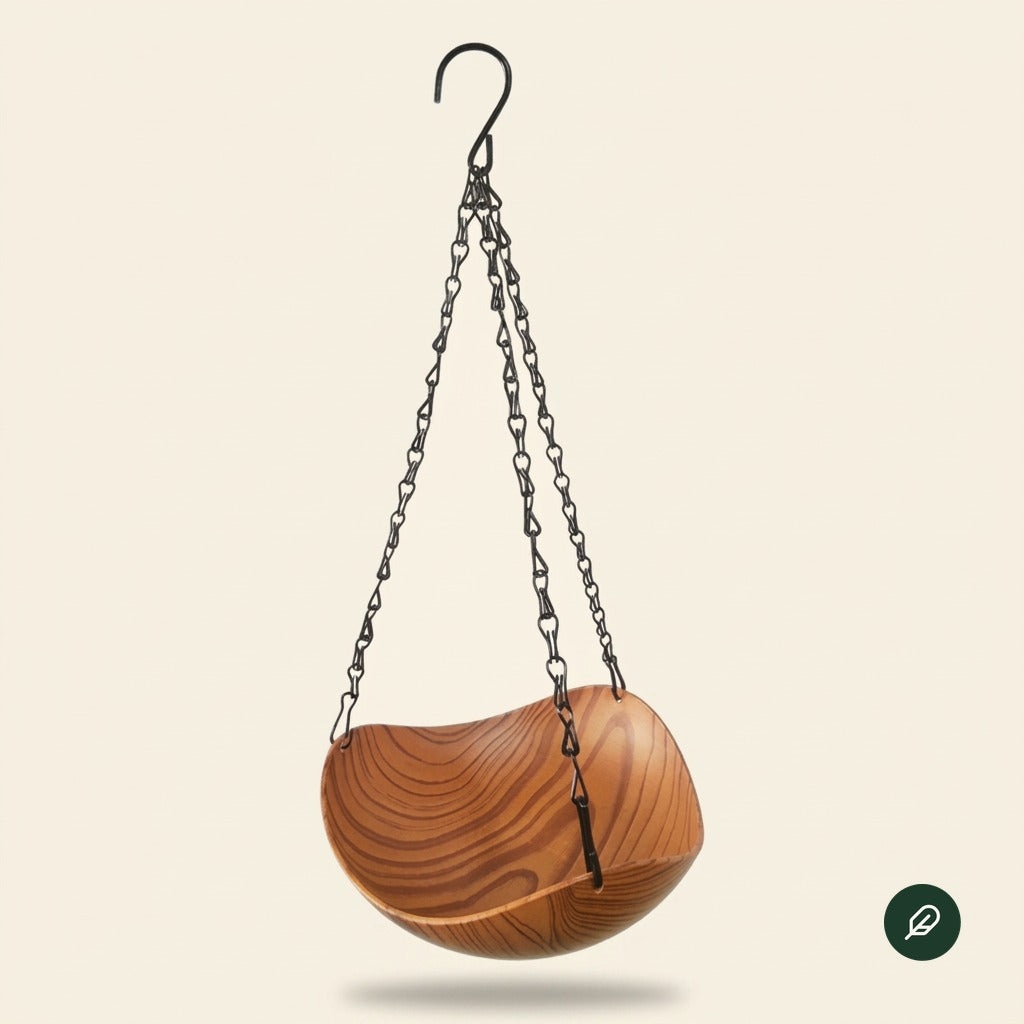
Hanging Basin Feeder and Water Bowl
A single open basin that hangs from a hook and does two jobs: a seed tray through the growing season, a shallow water bowl the rest of the year. Seed or water goes straight in — no reservoir, no perches, nothing to assemble beyond the hanging chains.Three chains run from the rim to one S-hook, so the basin hangs level under a bracket, a shepherd's hook or a low branch. Put it where you can watch it from a window, and where a cat can't launch from a fence.The rim is low and the floor is open, so birds can land anywhere around the edge instead of fighting over a perch. It also means the bowl needs wiping out every few days: hulls and droppings land in the water, and a rinse with hot water and a brush keeps it clean.The basin has a wood-grain finish and hangs from black metal chains.
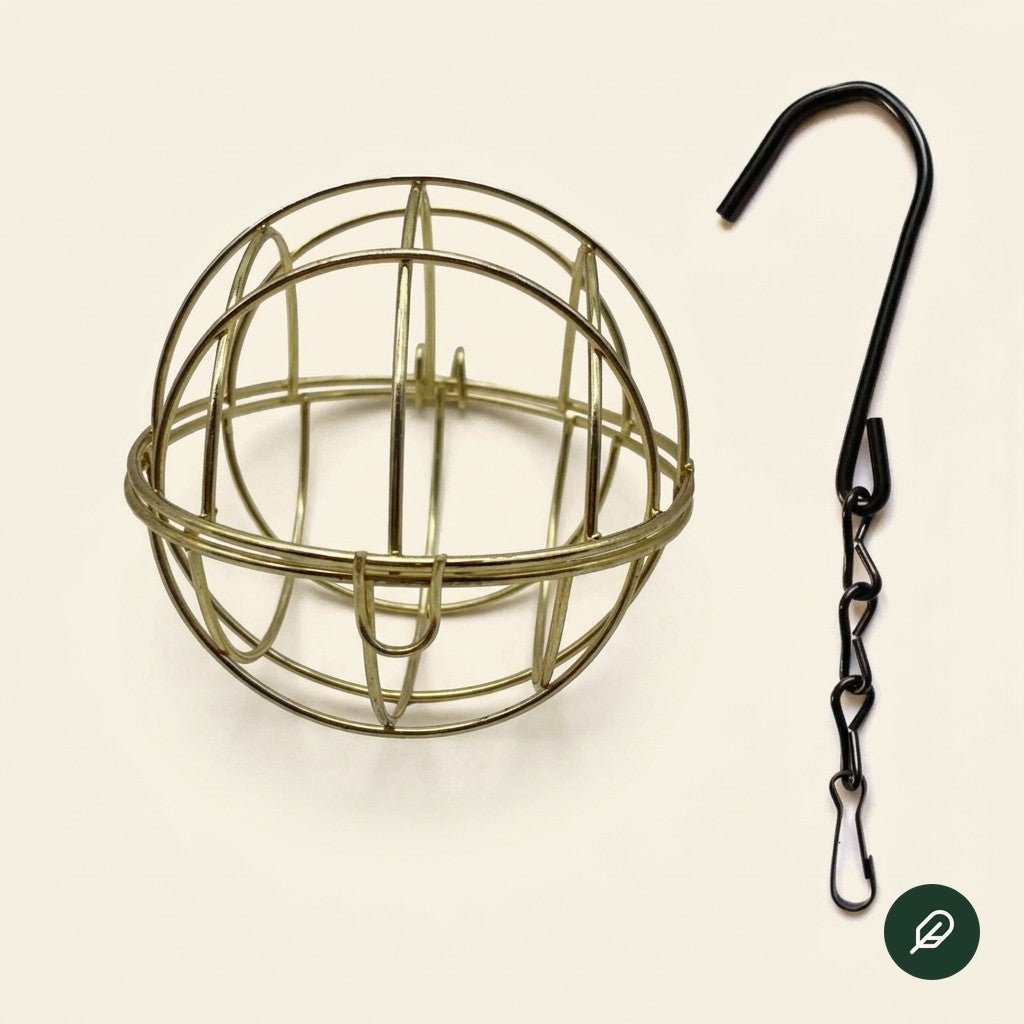
Round Suet Ball Cage
A small round wire cage made to hold one suet or fat ball. The hinged cage opens for refilling and closes with a simple wire latch. A short chain and hook are included for hanging. Available in gold-colored or black finish. This is a suet holder, not a hummingbird feeder.
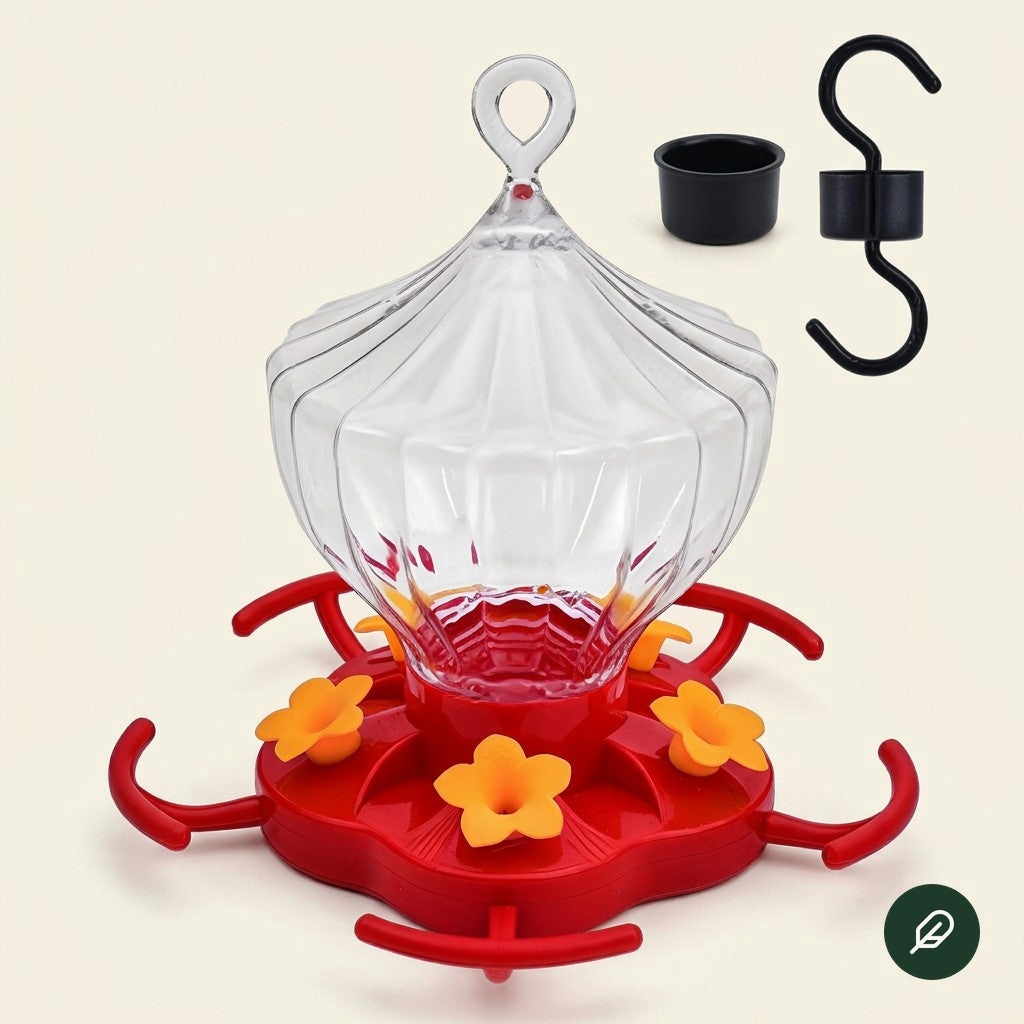
Five-Port Hummingbird Feeder
A compact red hummingbird feeder with a clear 8-ounce reservoir, five flower-shaped feeding ports, and five curved perches. The set includes a separate ant-moat cup and an S-hook for hanging. The wide base separates for routine washing. Use plain white sugar nectar at a 1:4 sugar-to-water ratio; never add dye.
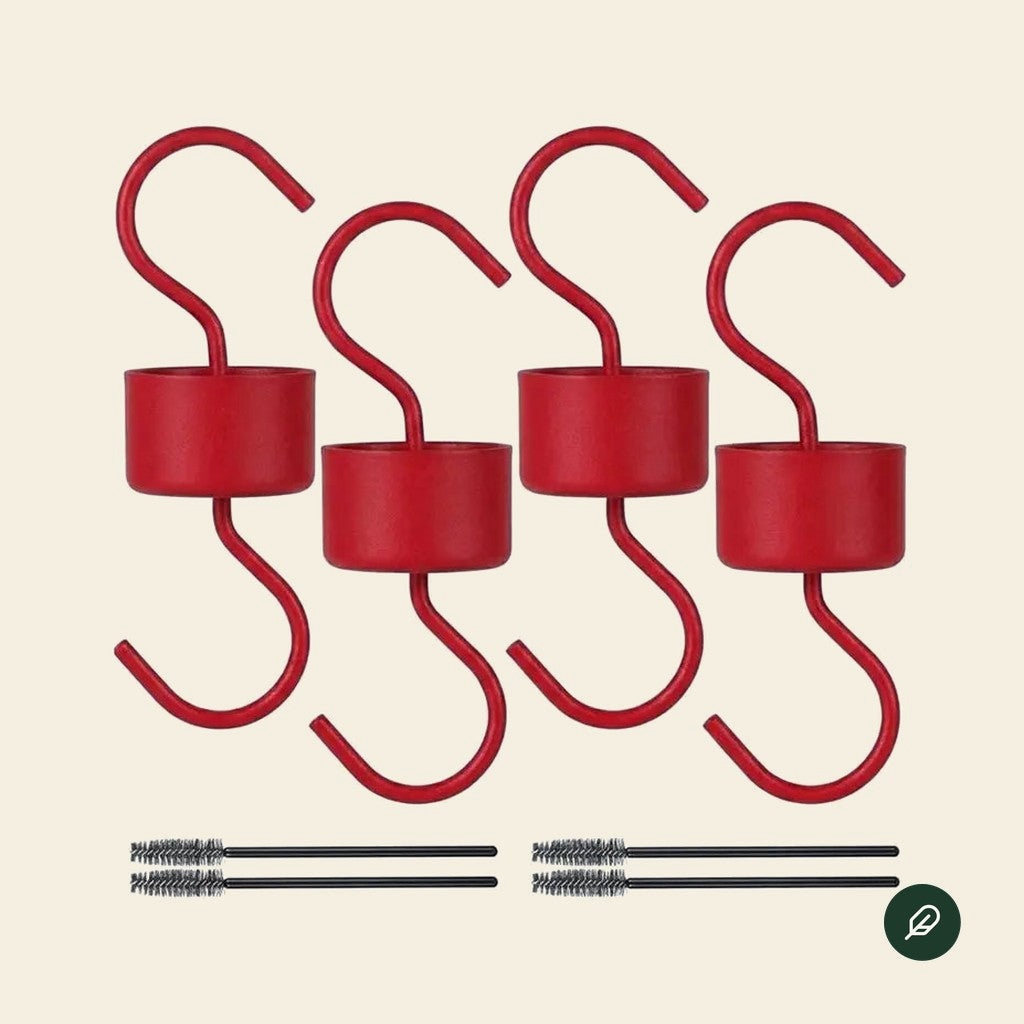
Hummingbird Ant Moat Hooks, 4-Pack
Four red metal S-hooks, each with a built-in water cup. Hang the hook from your bracket, hang the feeder below it, and fill the cup with water. Ants walking down toward the nectar hit the water and stop.Specs Material: metal with red coating Pack: 4 moat hooks + 4 small cleaning brushes Fits most hanging feeders with a wire or loop hanger Use Plain water only. Never add oil or insecticide to the cup. Top up every few days in hot weather; a dry moat does nothing.