Backyard birding gear
Specifications first: entrance-hole diameter, target species, mounting height, predator defense, cleaning access and drainage are listed on every product page.
4 products in Field Optics
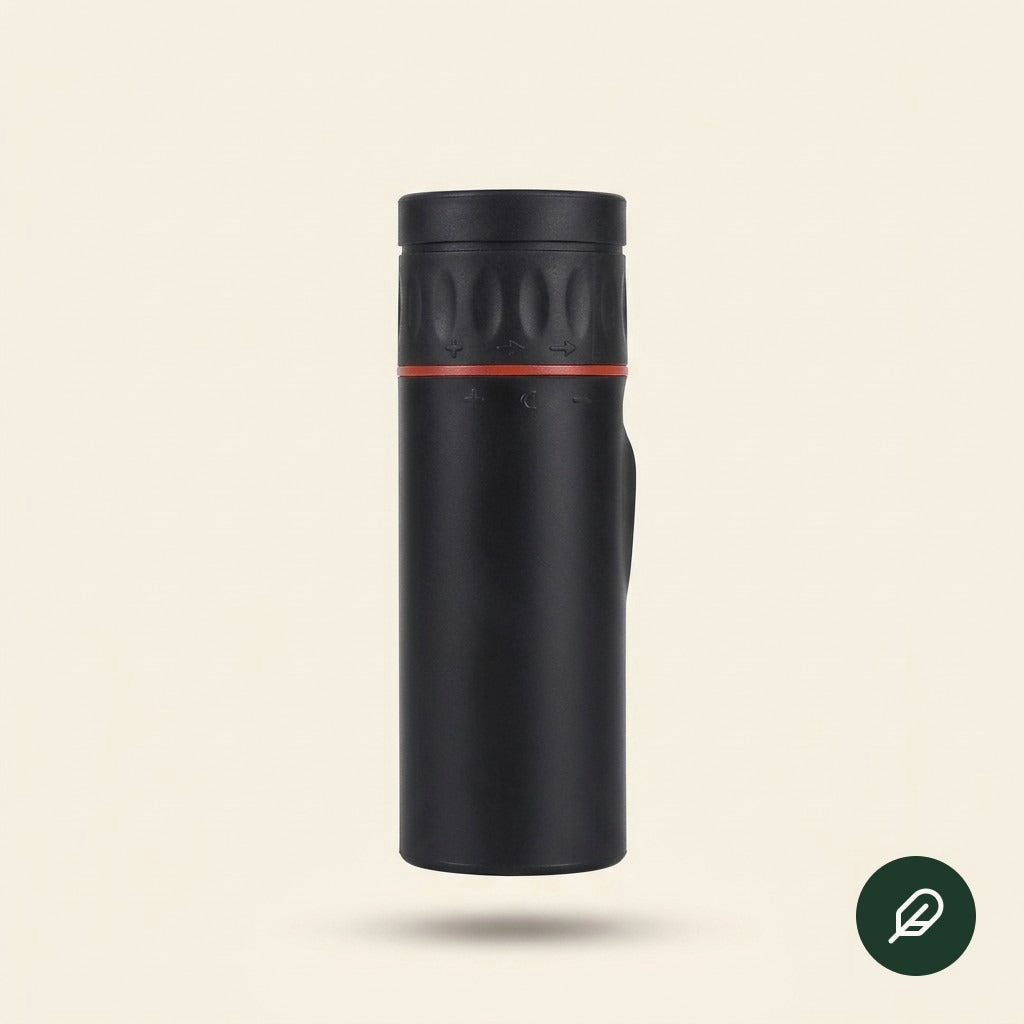
Pocket Monocular 8x25
A pocket-size monocular for quick looks at birds without hauling full binoculars. The 8x25 configuration gives 8x magnification through a 25 mm objective lens — enough to confirm a field mark on a perched bird at 30–60 feet, which is what most backyard identification actually needs.Specs: 8x magnification, 25 mm objective lens, single-hand focus wheel, weighs about 3 oz (85 g), fits in a jacket pocket. Available three ways: the monocular alone, with a phone clip for digiscoping photos through the lens, or with a wrist-strap pinchcock.Honest expectations: this is a budget pocket optic. It is bright and sharp enough in daylight for feeder watching and trail use, but it is not a low-light instrument and it is not waterproof. For serious dusk birding, step up to full-size binoculars.Care: wipe the lens with a microfiber cloth only. Keep the caps on in a bag — pocket lint scratches coatings.
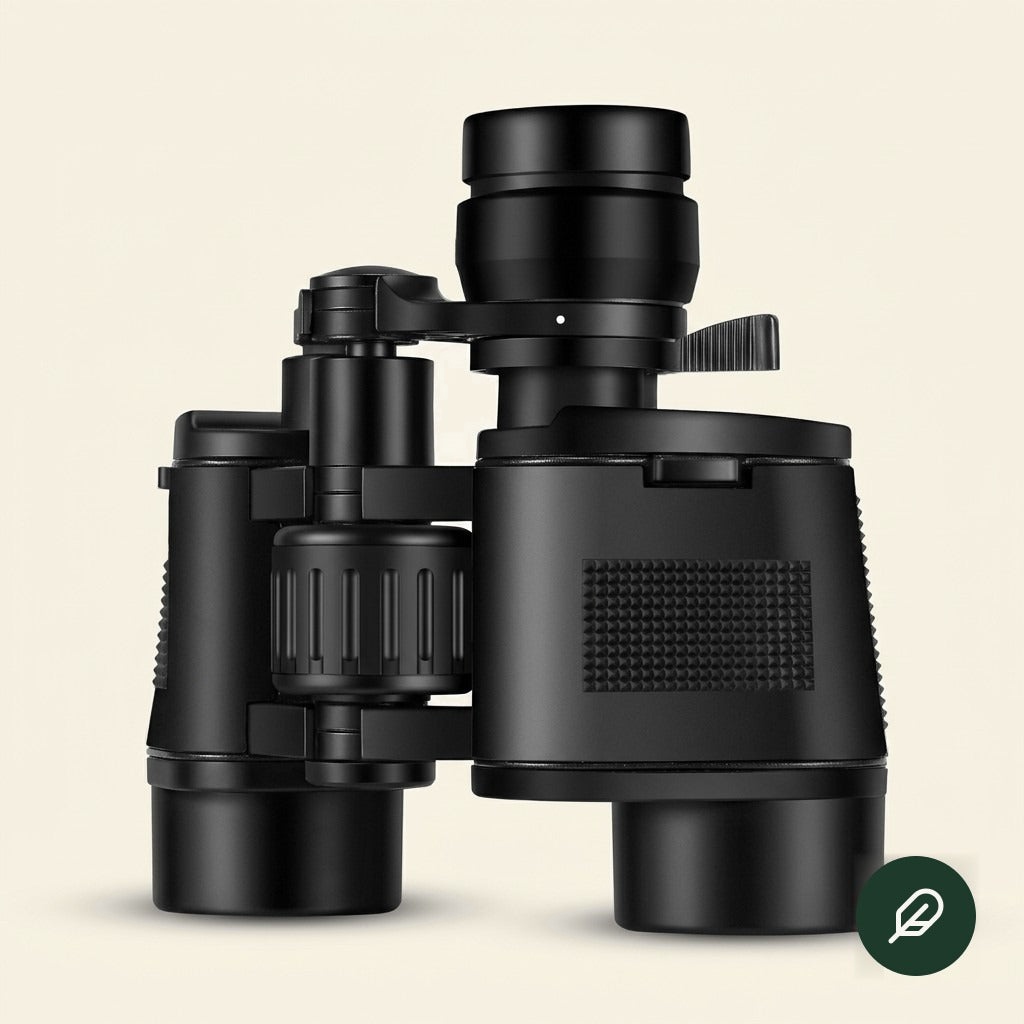
20-60x70 Zoom Binoculars
A high-magnification zoom binocular built around a 70 mm objective lens and BAK4 prisms. The 20-60x zoom range covers scanning a mudflat at 20x through to reading leg bands at 60x — territory normally reserved for a spotting scope.Specs: 20-60x zoom, 70 mm objective lenses, BAK4 prism glass, center focus wheel, zoom lever at the eyepiece. Weight and size are substantial — this is a tripod-friendly instrument, not a neck-strap binocular.Honest expectations: above about 30x, hand shake makes the image unusable without a tripod or a solid rest, and the exit pupil gets small, so views dim toward the top of the zoom range. Use it on a tripod for long-distance waterfowl, raptors on distant snags, and shorebird flocks. For walking and woodland birding, an 8x42 binocular is the better tool.
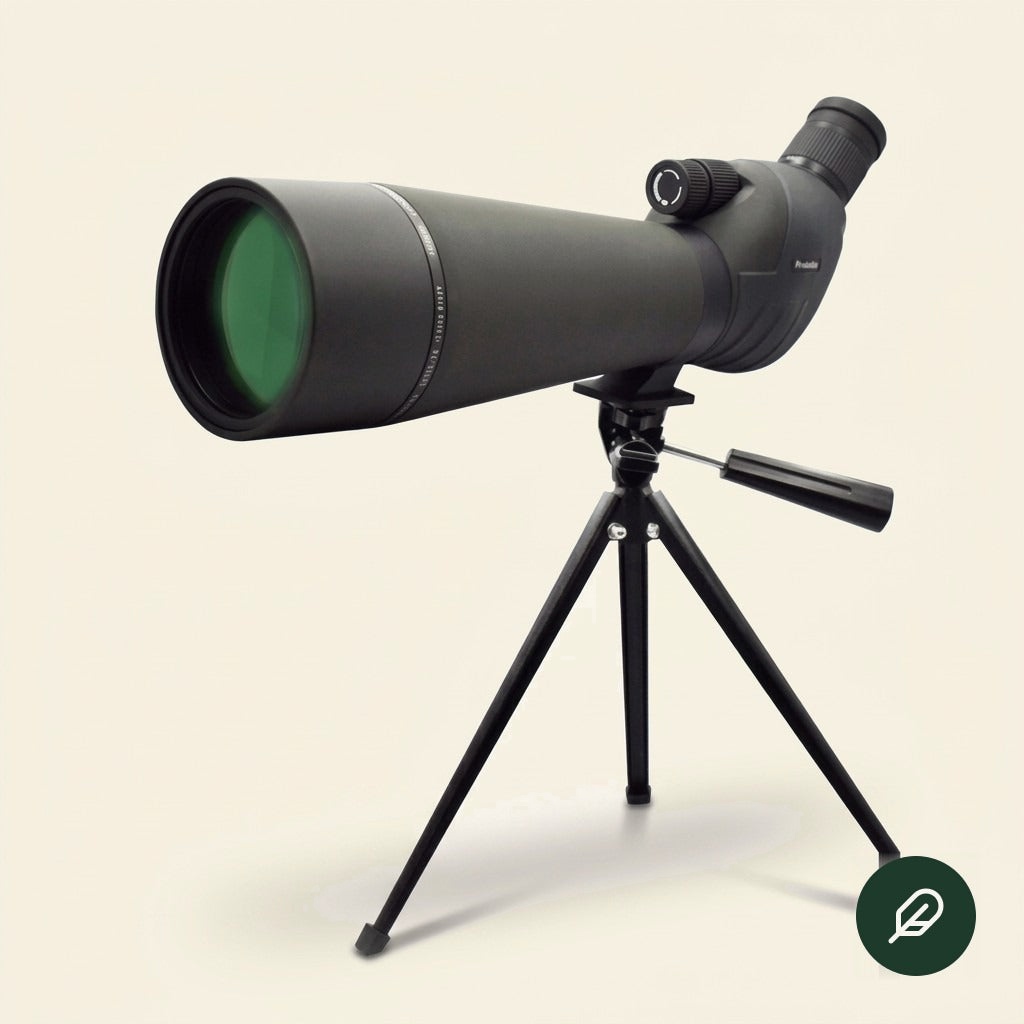
20-60x80 Spotting Scope
A full-size spotting scope for long-distance birding: 20-60x zoom behind an 80 mm objective lens, with a two-speed focus (coarse to find the bird, fine to snap it sharp). Sealed and nitrogen-purged, so it is waterproof and fog-proof in wet field conditions.Specs: 20-60x zoom eyepiece, 80 mm objective, dual-speed focus, waterproof and fog-proof, angled body, rotating tripod collar. A tripod is required — at these magnifications nothing handheld works.Where it earns its keep: waterfowl across a lake, shorebirds on a far sandbar, raptors on distant perches, and any situation where getting closer would flush the bird. At 20x the view is bright and wide; at 60x you trade brightness for reach, which is normal for any scope.
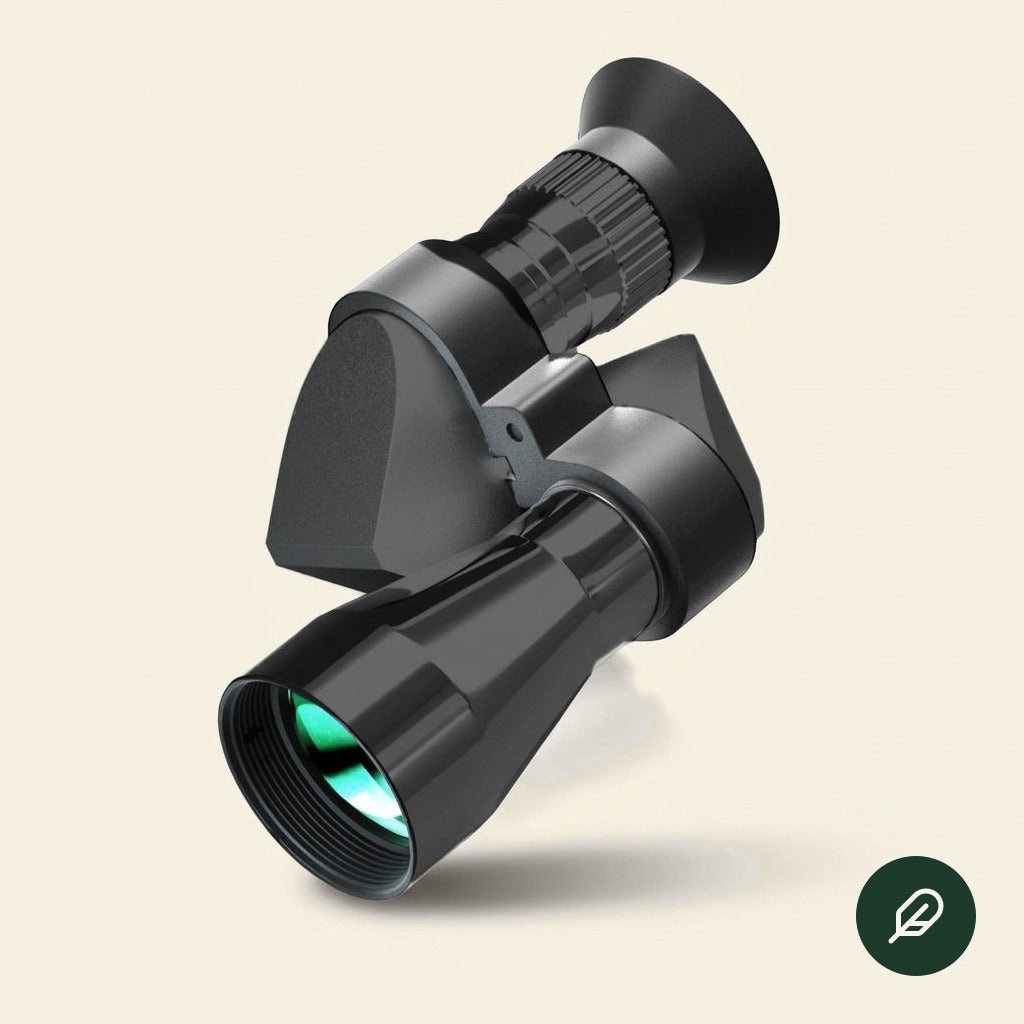
Compact Monocular 8x20
The smallest optic we carry — an 8x20 monocular that disappears into a shirt pocket. 8x magnification through a 20 mm objective lens, made for walkers and travelers who want something on hand when a bird shows up, not a full kit.Specs: 8x magnification, 20 mm objective, single-hand focus, available in black or silver, with or without a smartphone adapter for taking photos through the lens.Honest expectations: the 20 mm lens gathers limited light, so this is a daylight instrument. At dawn, dusk or under heavy tree cover the image dims. For its size and price it is genuinely useful — just know what it is.Care: microfiber cloth on the lens, caps on in the pocket.