Winter bird bath water in Connecticut
Across 39 Connecticut cities, the typical winter night drops to 22.8°F and the day climbs to 39.3°F. Expect around 44 nights a year at 28°F or below, when a shallow bath freezes solid.
De-icers for this climate
Our de-icers are 120V and sold for US and Canadian outlets. Check the wattage against the bath size on each listing.
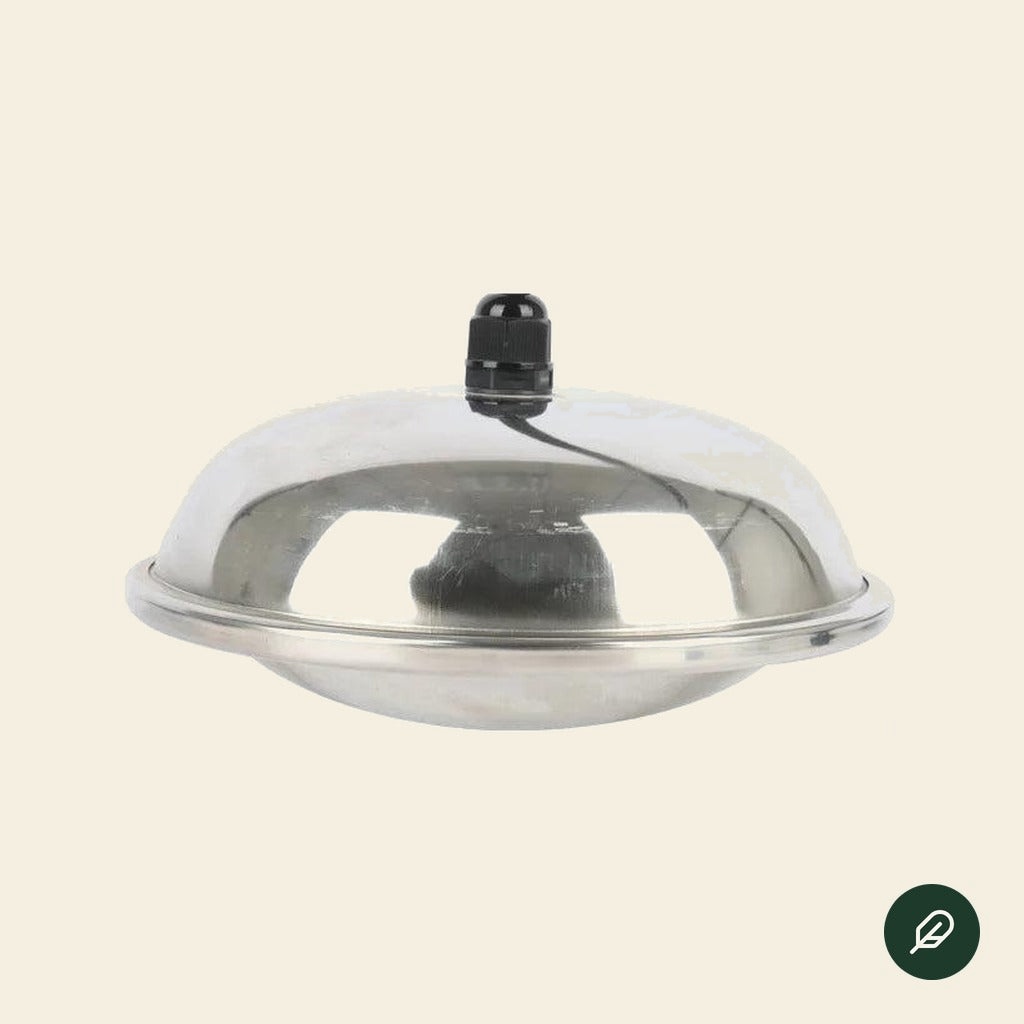
Stainless Steel Pond and Birdbath Deicer
A stainless steel dome heater that sits in a pond or large birdbath and keeps a patch of water open through freezing weather, so birds can still drink and bathe in winter. It has a built-in thermostat and a dry-run cut-off that switches the heater off if it's left out of water. Dimensions: 180 mm (7.1 in) across, 83.9 mm (3.3 in) tall Material: stainless steel dome, black power cord Power options: 100W, 150W, 200W, 250W or 300W. Smaller birdbaths need less power; ponds and very cold areas need more. Weight: about 1.9 kg (4.1 lb) Plug: US 3-prong, 120V Use with a GFCI-protected outdoor outlet. Keep the cord out of reach of pets and away from where people walk.
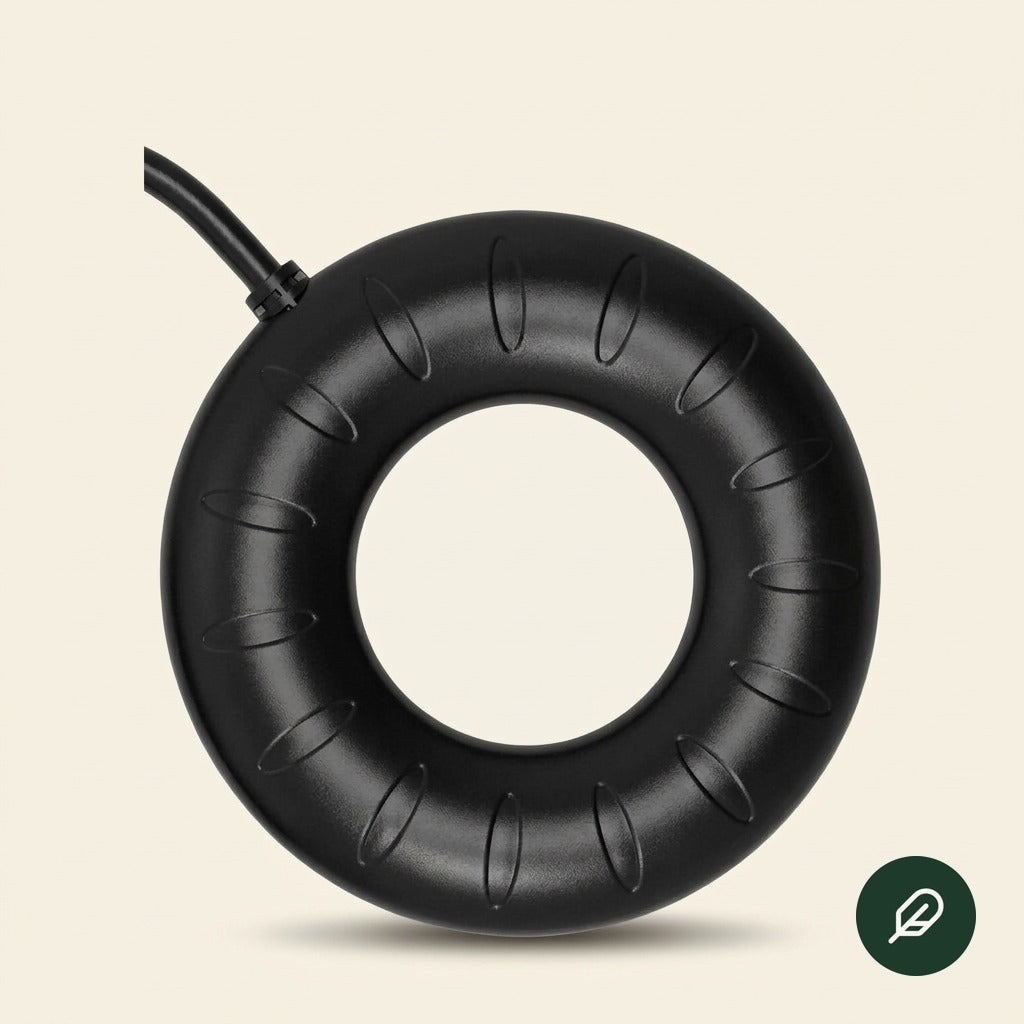
70W Trough and Bath Deicer
A 70-watt submersible deicer that keeps a small open-water area in a bird bath or livestock trough through hard freezes. Runs on standard 120V US household power with a thermostatic control that switches on near freezing and off when the water is ice-free, so it does not run continuously.Specs: 70 W, 120V US plug, submersible sealed element, black housing. Sized for small baths and troughs; it keeps a drinking hole open rather than warming the whole bath — birds only need liquid water, not warm water.Safety note: this is an electrical appliance used outdoors in water. We list it only once a valid UL/ETL safety certification is confirmed. Always plug into a GFCI-protected outdoor outlet and route the cord so birds and pets cannot chew it.
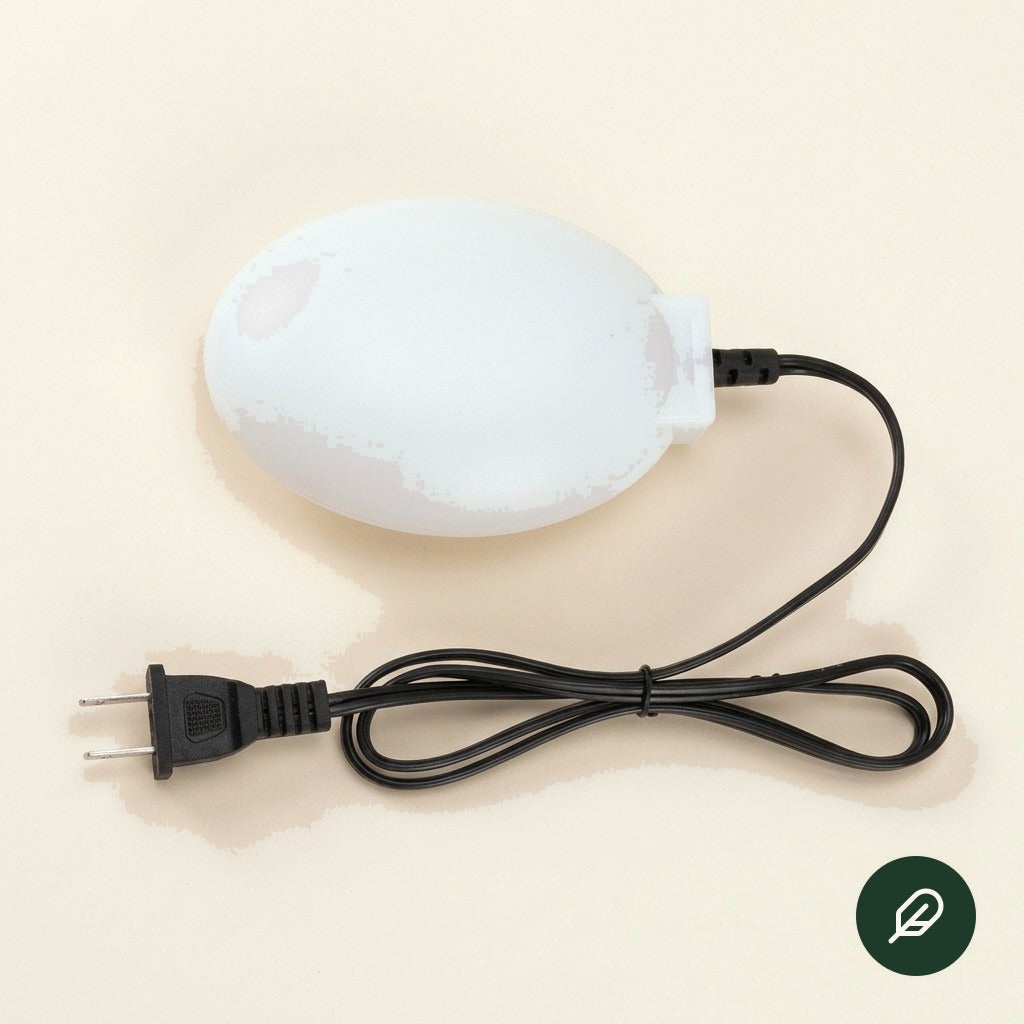
Birdbath Deicer with Auto Shut-Off
A compact birdbath deicer with a built-in thermostat and automatic shut-off. It sits in the basin and keeps a patch of water ice-free so birds can drink through winter — liquid water is harder for birds to find than food in a hard freeze.Specs: thermostatically controlled (activates near freezing, shuts off automatically), US plug, white housing that blends into light-colored basins.Safety note: this is an electrical appliance used outdoors in water. We list it only once a valid UL/ETL safety certification is confirmed. Always use a GFCI-protected outdoor outlet, and never run it in a dry basin.
- Cities averaged
- 39
- Nights at or below 32°F
- 124 a year
- Hard-freeze nights (≤28°F)
- 44 a year
- Days the high stays ≤32°F
- 21 a year
- Nights at or below 0°F
- 2 a year
- Typical first freeze
- October 16
- Typical last freeze
- April 17
- Median annual snowfall
- 25 in
- Coldest winter lows
- West Torrington (17.2°F)
- Mildest winter lows
- Milford (26.7°F)
Medians of each city's nearest NOAA 1991–2020 climate normals station. Your own yard can run several degrees colder in a low spot or warmer near a south wall.
Do you need a heater in Connecticut?
For most yards, yes. Ice forms on most winter nights and some cold spells keep it frozen all day. A de-icer with a thermostat only runs when the water is near freezing, so it costs little in mild weeks. Put it in place before the first freeze around October 16.
Set up a heated bath safely
- Plug into a GFCI-protected outdoor outlet. Use an outdoor-rated extension cord only if you have to, and keep the connection off the ground.
- Choose a de-icer with a thermostat and automatic shut-off if the bath runs dry.
- Keep water no deeper than 2 inches at the edge so small birds can stand.
- Never add antifreeze, salt or glycerin. They harm birds and do not keep water drinkable.
- Top up often. Heated water evaporates faster, and a dry de-icer can damage itself or a plastic basin.
Birds that stay through winter in Connecticut
These feeder birds are present here in winter, either all year or only for the cold months. Each link shows the feeder style that suits it.
- Purple Finchwinter visitor
- Dark-eyed Juncowinter visitor
- White-throated Sparrowwinter visitor
- Yellow-bellied Sapsuckerwinter visitor
- Evening Grosbeakwinter visitor
- Pine Siskinwinter visitor
- Yellow-rumped Warblerwinter visitor
- American Tree Sparrowwinter visitor
- Fox Sparrowwinter visitor
- Pine Grosbeakwinter visitor
- Merlinwinter visitor
- Snow Buntingwinter visitor
- Hoary Redpollwinter visitor
- Bohemian Waxwingwinter visitor
- Northern Cardinal
- Black-capped Chickadee
Related guides
Frequently asked
Do I need a heated bird bath in Connecticut?
Yes, if you want birds to have water all winter. The typical Connecticut city has 44 hard-freeze nights a year and 21 days when the high stays at or below freezing. An unheated bath will be solid ice for much of that time.
When does bird bath water start freezing in Connecticut?
The most common first freeze date across Connecticut cities is around October 16, and the last spring freeze is around April 17. Set up a heater a week or two before the first date and take it down after the last.
Which birds use a bird bath in winter in Connecticut?
Feeder birds that stay through winter here include Purple Finch, Dark-eyed Junco, White-throated Sparrow, Yellow-bellied Sapsucker, Evening Grosbeak, Pine Siskin, Yellow-rumped Warbler, American Tree Sparrow. Open water draws birds that never visit seed feeders too.
Is a heated bird bath safe?
Use a de-icer with a thermostat that switches on only near freezing, plug it into a GFCI outdoor outlet, and keep the cord out of the water and away from mower paths. Never add antifreeze, salt or glycerin to bird water.