Bird Bath Water Through the Seasons: Freezing Winters and Summer Heat
Keeping water open in freezing weather, what never to add to it, and how to keep a bath cool, full and clean through heat waves.
12 min read · Updated 2026-10-07
Equipment for this job
Frost-proof metal baths can take a certified deicer in winter.
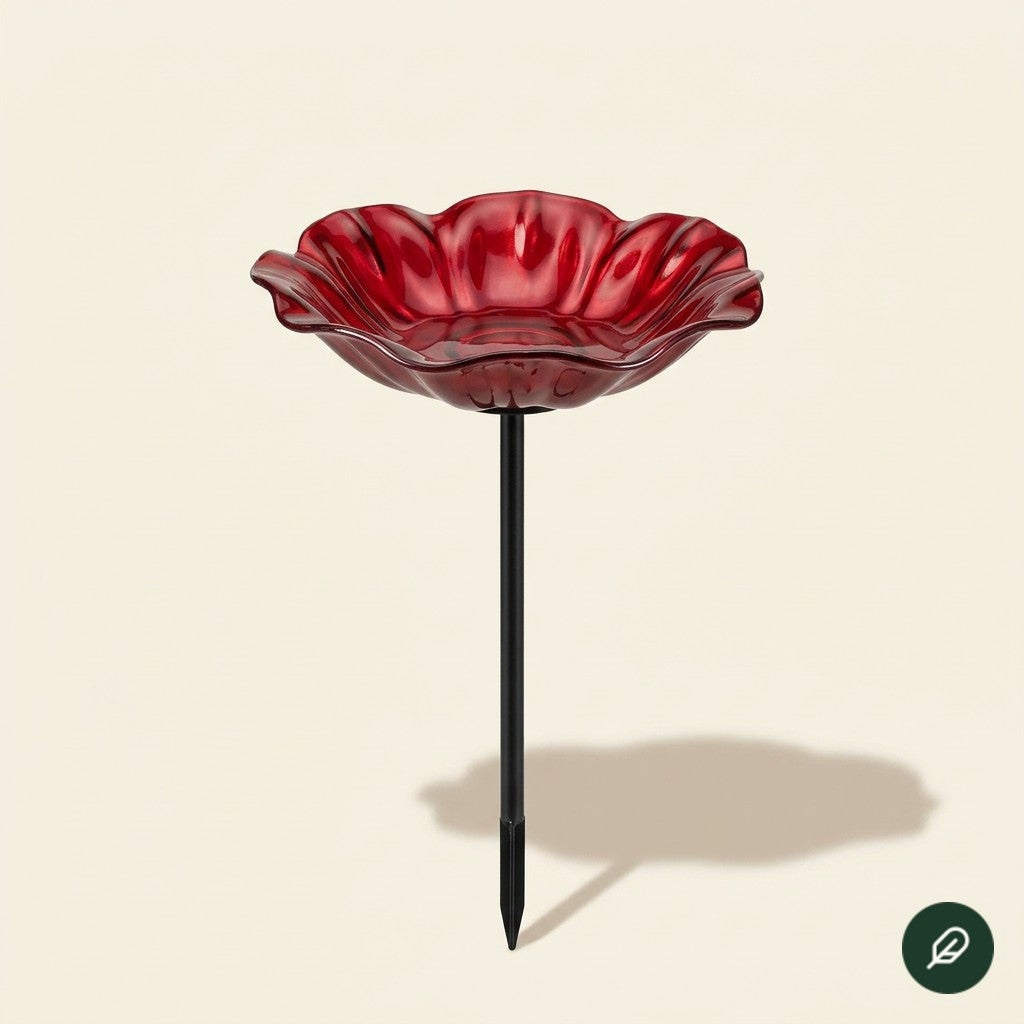
Flower Stake Bird Bath
A flower-shaped bird bath on a slim garden stake. The metal bowl holds water for drinking and bathing, and the dark center gives small birds a textured spot to grip. Push the stake into a flower bed or lawn and it's ready — no tools, no assembly beyond threading the bowl onto the stake. Bowl: 5.1 in (13 cm) across, flower-shaped, painted metal Stake: 17.3 in (44 cm) tall, black metal, pushes into soil Colors: Red, Blue, Orange, Purple Use: water for drinking and bathing; shallow depth suits small songbirds Care: tip out and rinse every few days in summer to keep water fresh and mosquitoes down Best placed near shrubs or cover so birds feel safe stopping to drink. Bring it in over hard freezes to protect the finish.
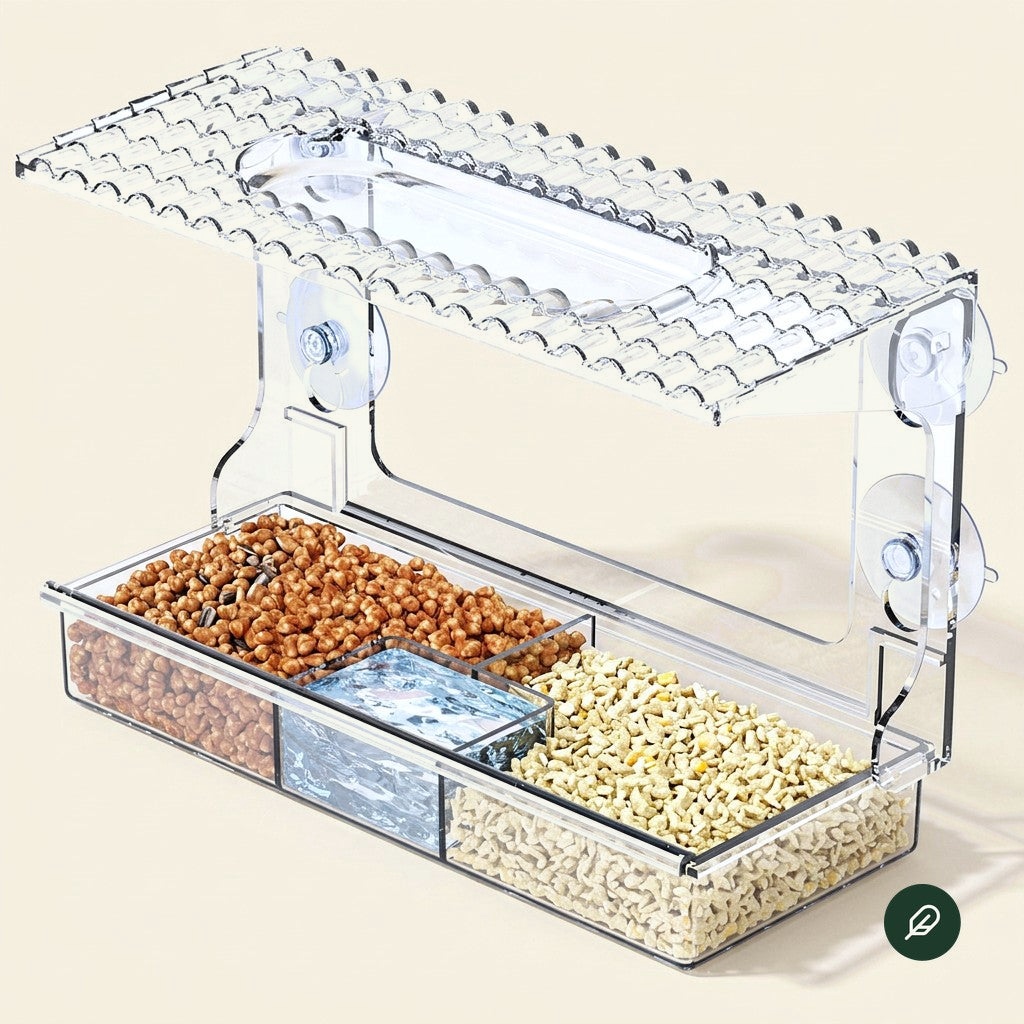
Window Feeder with Roof Bath
A wide clear acrylic window feeder with a textured roof that holds a shallow pool of water for small birds, plus a lift-out tray split into seed and water sections.Specs Clear acrylic, 4 suction cups Removable tray with drainage holes Roof basin catches rain; top it up in dry spells Tips Small birds only; jays and larger birds will crowd it. Pull the tray and rinse it weekly so wet seed doesn't mold.
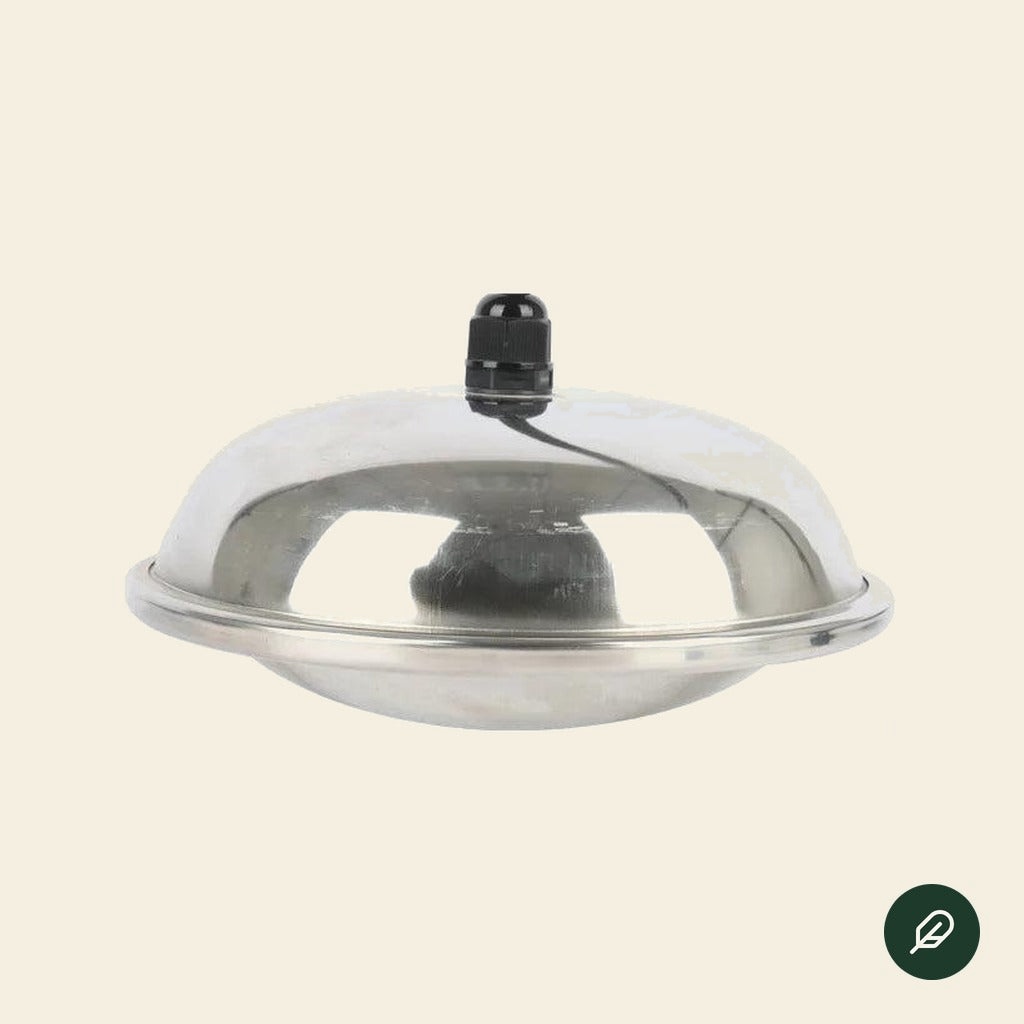
Stainless Steel Pond and Birdbath Deicer
A stainless steel dome heater that sits in a pond or large birdbath and keeps a patch of water open through freezing weather, so birds can still drink and bathe in winter. It has a built-in thermostat and a dry-run cut-off that switches the heater off if it's left out of water. Dimensions: 180 mm (7.1 in) across, 83.9 mm (3.3 in) tall Material: stainless steel dome, black power cord Power options: 100W, 150W, 200W, 250W or 300W. Smaller birdbaths need less power; ponds and very cold areas need more. Weight: about 1.9 kg (4.1 lb) Plug: US 3-prong, 120V Use with a GFCI-protected outdoor outlet. Keep the cord out of reach of pets and away from where people walk.
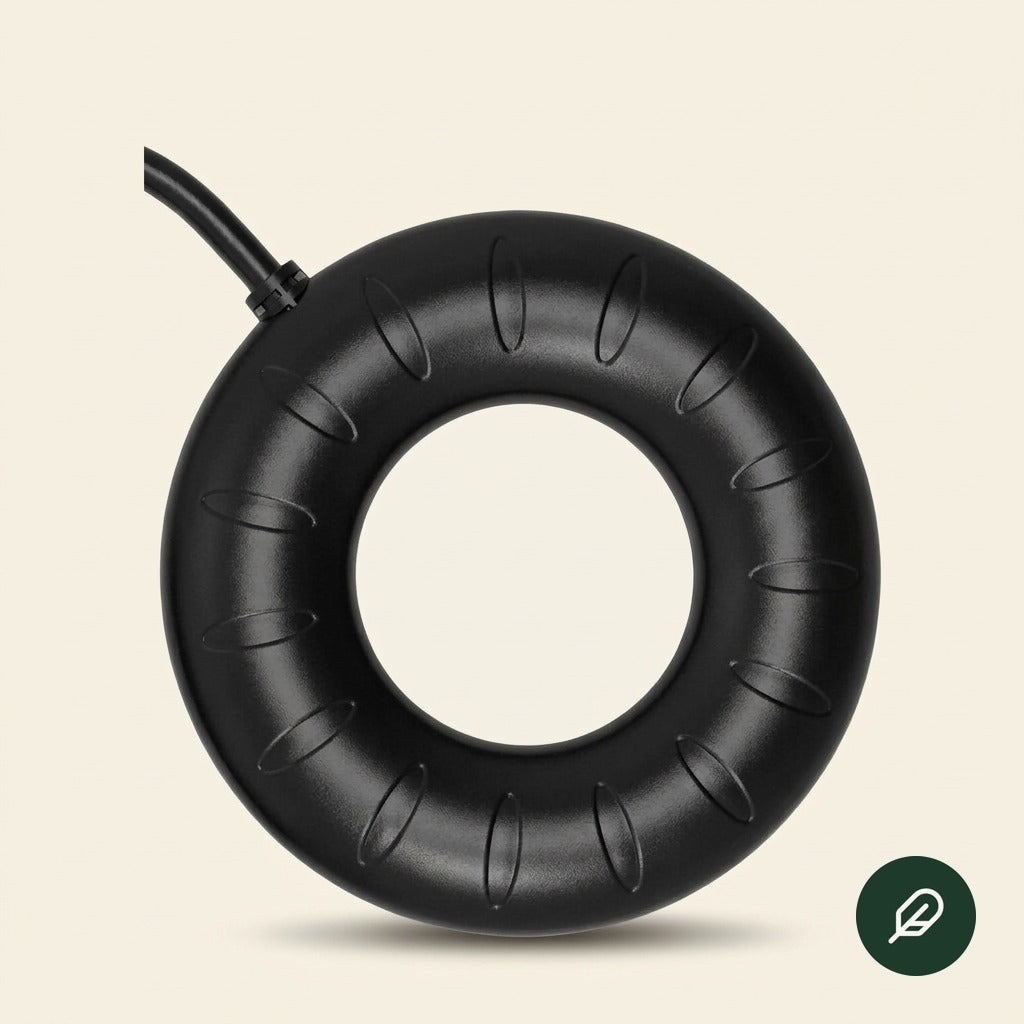
70W Trough and Bath Deicer
A 70-watt submersible deicer that keeps a small open-water area in a bird bath or livestock trough through hard freezes. Runs on standard 120V US household power with a thermostatic control that switches on near freezing and off when the water is ice-free, so it does not run continuously.Specs: 70 W, 120V US plug, submersible sealed element, black housing. Sized for small baths and troughs; it keeps a drinking hole open rather than warming the whole bath — birds only need liquid water, not warm water.Safety note: this is an electrical appliance used outdoors in water. We list it only once a valid UL/ETL safety certification is confirmed. Always plug into a GFCI-protected outdoor outlet and route the cord so birds and pets cannot chew it.

- Why it matters
- Snow costs birds body heat to melt; open water saves energy
- Options
- Heated basin, or a deicer in a frost-proof bath
- Safety
- Look for UL or ETL listing; use a GFCI outlet
- Depth
- 1–2 in; birds mostly drink in winter
- Never add
- Antifreeze, glycerin or salt
- When it matters most
- Heat waves, drought, late summer
- Refill
- Daily; check twice a day in extreme heat
- Placement
- Full afternoon shade
- Extra sources
- Ground dish for doves, quail and thrushes
Why winter water matters
Birds need water in winter for drinking and for keeping their feathers in condition. When everything freezes, they can eat snow, but melting snow inside the body costs energy that a small bird needs for staying warm through long nights. A source of open water lets them drink without that cost. In many northern yards, a heated bath attracts more birds in January than the feeders do, including species like bluebirds, robins and waxwings that winter on fruit and rarely visit seed feeders.
Bathing in winter sounds risky, but birds do it on milder days to keep their feathers clean. Clean, well-arranged feathers insulate far better than dirty, matted ones. Most birds are sensible about it and bathe briefly around midday.
Heated bath or deicer
A heated bird bath has a heating element built into the basin, usually a plastic or resin bowl with a thermostat that turns on only near freezing. It is the simplest option: plug it in and refill it. Deicers are separate heating units that sit in or under an existing bath. They let you keep the bath you have, as long as it is frost-proof. Do not use a deicer in a concrete or ceramic bath that is already prone to cracking; metal and resin basins are safest.
Wattage varies. Small heated baths typically draw somewhere between 50 and 150 watts while running. Thermostats keep actual running time well below 24 hours a day except in deep cold. In very cold regions, choose a model rated for the lowest temperatures you see, since a low-wattage unit may not keep a wide basin open at well below zero Fahrenheit.
- Heated bath: built-in element and thermostat, simplest setup.
- Deicer: add to an existing metal or resin bath; avoid concrete and ceramic.
- Thermostat control saves power and prevents overheating.
- Match the rating to your coldest typical temperatures.
Electrical safety comes first
Anything that combines water and mains power outdoors must be built for it. Look for products listed by a recognized testing laboratory such as UL or ETL for outdoor use. Plug into a ground-fault (GFCI) protected outdoor outlet, and if you need an extension cord, use one rated for outdoor use and the wattage, with connections kept off the ground and out of snow. Inspect cords each season for cracks or chewing; squirrels do chew cords.
We do not sell heated or electrical water products without a confirmed safety listing. If you buy one anywhere, check that the certification mark is real and matches the product, rather than relying on a listing description.
What never to put in winter water
Never add antifreeze of any kind. Ethylene glycol is lethal to birds and animals, and even products described as non-toxic are not meant for drinking water. Glycerin, which sometimes appears as a home remedy, mats feathers and destroys their insulation. Salt can poison birds and also lowers the freezing point only slightly. The only safe ways to keep water open are heat, sun, and refilling frozen baths with warm water.
Without electricity
If you cannot use power, you can still offer water. Put out a shallow dish of warm water each morning; it will stay liquid for an hour or two, long enough for birds to drink. A dark-colored basin in full winter sun stays open longer. Bring the dish in at night so ice does not crack it. Some people keep two dishes and swap them, thawing one indoors while the other is out. Solar fountains do not help in winter and should be stored once nights freeze.
Placement and upkeep in winter
Put the heated bath where you can reach it to refill without wading through deep snow, and where birds have a perch nearby to wait. A sunny, sheltered spot out of the wind uses less power. Keep the depth to one or two inches; in winter, birds mostly drink. Clean it as often as in summer. Birds concentrate at the few open water sources in a cold snap, which makes hygiene more important, not less.
Heated baths evaporate faster than you might expect, especially in dry, cold air. Check the level daily; a heated basin that runs dry can damage the element and some units shut off automatically. In snow, clear the area around the bath so birds can land and see their surroundings.
Why summer water is so valuable
Birds have no sweat glands. In heat they cool themselves by panting, holding their wings away from their bodies, and seeking shade, and panting costs water. During heat waves and droughts, natural puddles and streams dry up and birds can struggle to find enough to drink. A bath that stays full and clean through these periods may be the most important thing in your yard for birds, more important than any feeder.
Late summer is also when many young birds have just left the nest and are learning to find resources for themselves, and when molting adults are growing new feathers. Both groups benefit from reliable water nearby.
Keep it full
Shallow baths can lose half their water in a hot afternoon through evaporation and splashing. Check the bath every morning and refill it, and in extreme heat check again in the afternoon. A dripper fed from a hose or reservoir keeps the level topped up slowly through the day and doubles as an attraction.
Because you are refilling daily, you are also changing the water often, which keeps it clean and makes mosquito breeding impossible. Scrub weekly as normal.
- Refill every morning; check again in the afternoon in extreme heat.
- Scrub weekly with 1:9 vinegar.
- A slow dripper keeps the level up between visits.
Keep it cool
Water in a shallow basin in full sun can become uncomfortably warm. Move the bath into afternoon shade for the summer, under the edge of a tree canopy or on the north or east side of a building or hedge. Light-colored basins heat less than dark ones. Metal basins conduct heat quickly and can get hot to the touch in direct sun; they are fine in shade but not ideal in full sun in hot climates.
If you notice birds panting at the bath, or the water feels warm to your hand, it is time to move it or add shade.
Add more than one source
Different birds drink in different ways. Doves, quail, thrushes, sparrows and towhees often prefer to drink at ground level. A shallow saucer or plant tray on the ground, set in an open spot with a clear view, gives them water without competing at the pedestal bath. Hummingbirds rarely use standard baths but love misters and fine sprays; a mister attached to a hose on a hot afternoon can bring them in to bathe in flight.
Multiple small water sources also spread birds out, which reduces crowding and the spread of disease at a single basin.
In drought-prone regions
In the arid Southwest and other dry regions, a bird bath can attract species that rarely visit feeders, such as Verdins, Phainopeplas and Lesser Goldfinches. It may also attract bees and wasps looking for water. Bees use water to cool their hives and will land on wet stones at the edge; a few stones above the waterline give them a safe landing spot and reduce drowning. If bees become a nuisance, offering a separate shallow water source for them a short distance away often draws them off the bath.
Where there are water-use restrictions, check local rules. Bird baths use very little water compared with irrigation and are generally permitted, but a recirculating dripper is the most water-efficient option.
Helping birds in extreme heat
On the hottest days, birds are most active early and late. Make sure the bath is full before sunrise. Keep feeders clean and avoid suet in heat, since it can melt and go rancid. If you find a bird that is clearly heat-stressed, sitting still with its bill open and wings drooped, give it shade and quiet, and contact a local wildlife rehabilitator for advice rather than handling or giving water by hand.
Going away in summer
If you travel during hot weather, a bath left for a week will either dry out or go stale. Ask a neighbor to refill it every day or two, or set up a dripper on a hose timer that runs for a few minutes each morning. If neither is possible, empty the bath and turn it over before you leave so it does not breed mosquitoes; birds will use other sources for a while and return when you refill it. A small, reliable water source is better than a large one that fails during the hottest week of the year.
Freeze dates and heater advice for your state →
Frequently asked
Do birds need water in winter?
Yes. Open water saves them the energy of melting snow and helps them keep feathers clean and insulating.
Is a heated bird bath safe for birds?
Yes, when it is thermostatically controlled, certified by a testing lab such as UL or ETL, and plugged into a GFCI outlet.
Can I put antifreeze or salt in a bird bath?
Never. Antifreeze is lethal and salt is harmful. Use heat, sun, or warm water refills.
How do I keep a bird bath from freezing without electricity?
Set out a shallow dish of warm water each morning in a sunny spot and bring it in at night.
Should I put water out for birds in a heat wave?
Yes. Clean, shaded, shallow water is one of the most helpful things you can offer in extreme heat and drought.
How often should I fill a bird bath in summer?
Every morning, and check again in the afternoon during extreme heat.
Can bird bath water get too hot?
Yes, especially in shallow metal basins in full sun. Move the bath to afternoon shade.
How do I keep bees out of my bird bath?
Add stones above the waterline so bees do not drown, and offer a separate shallow water dish for them a short distance away.
More Canadian winter guides
- Choosing and Placing a Bird Bath: Depth, Material, Moving Water and Location
Most bird baths are too deep, too slick or in the wrong spot. The measurements, materials, placement distances and moving-water options that decide whether birds use one.
- How to Clean a Bird Bath: Algae, Safe Cleaning and Mosquitoes
A cleaning schedule that works, safe cleaners, how to stop algae coming back and how to keep a bath from breeding mosquitoes without harming birds.
- Why Birds Won't Use Your Bird Bath: 8 Common Reasons and Fixes
An ignored bath is almost always too deep, too slick, too exposed or too new. A checklist to work through, in order of how often each is the cause.
More troubleshooting
- Why Birds Stopped Coming to Your Feeder (and What to Do by Season)
- Keeping House Sparrows Out of Bluebird and Chickadee Boxes
- A Hawk Is Hunting at My Bird Feeder: What It Means and What to Do
- Keep Squirrels Off a Shepherd's Hook and Out of Feeders
- How to Get Rid of Grackles at Your Feeders (Without Losing the Birds You Want)
- How to Keep Starlings Off Your Feeders (Suet, Seed and Nest-Box Problems)
- How to Stop Raccoons Raiding Your Bird Feeders (and Your Nest Boxes)
- Bears and Bird Feeders: When to Take Feeders Down (and How to Feed Birds in Bear Country)
- How to Stop Rats and Mice Moving In Under Your Bird Feeders
- Bird Feeder Placement: Height, Distance and Sightlines That Actually Work
- How to Keep Cats Away From Your Bird Feeders (Yours and the Neighbors')
- Sick Birds at Your Feeder: House Finch Eye Disease, Salmonella and What To Do
- How to Keep Crows and Jays From Taking Over Your Feeders
- Why a Woodpecker Is Pecking Your House (and How to Make It Stop)
- Window Bird Feeders in the UK: Which Birds Use Them and How to Make One Stick
- How to Set Up a Bird Feeding Station in a UK Garden
- Robin Bird Box: Open-Front Design, Height and Where to Put It
- Squirrel-Proof Bird Feeders in the UK: What Stops Grey Squirrels
- Bird Baths for UK Gardens: Depth, Placement and Keeping Ice Off
- Heated Bird Baths in Canada: Keeping Water Open at -20°C
- Winter Bird Feeding in Canada: Foods, Feeders and What Shows Up
- Squirrel-Proof Bird Feeders in Canada: Red, Grey and Black Squirrels
- Bird Feeders for Condos and Balconies in Canada
- How to Attract Chickadees in Canada: Food, Nest Boxes and Winter Care
- Caged Bird Feeders: Keep Out Squirrels, Starlings and Grackles
- Upside-Down Suet Feeders: Feed Woodpeckers, Not Starlings
- Window Bird Feeders: Which Ones Stay Up, and Which Birds Come
- Bird Feeder Pole Setup: Height, Depth and Baffle Placement
- Deck Railing Bird Feeders: Mounting, Mess and Squirrels