How to Attract Chickadees in Canada: Food, Nest Boxes and Winter Care
Canada has four regular chickadees — Black-capped, Boreal, Chestnut-backed and Mountain. Which one lives near you, what they eat at feeders, and the nest box size that suits them.
8 min read · Updated 2026-10-27
Equipment for this job
Feeders chickadees use all winter and a nest box for spring. Check the entrance size on any box against the 1 1/8 in chickadee spec.
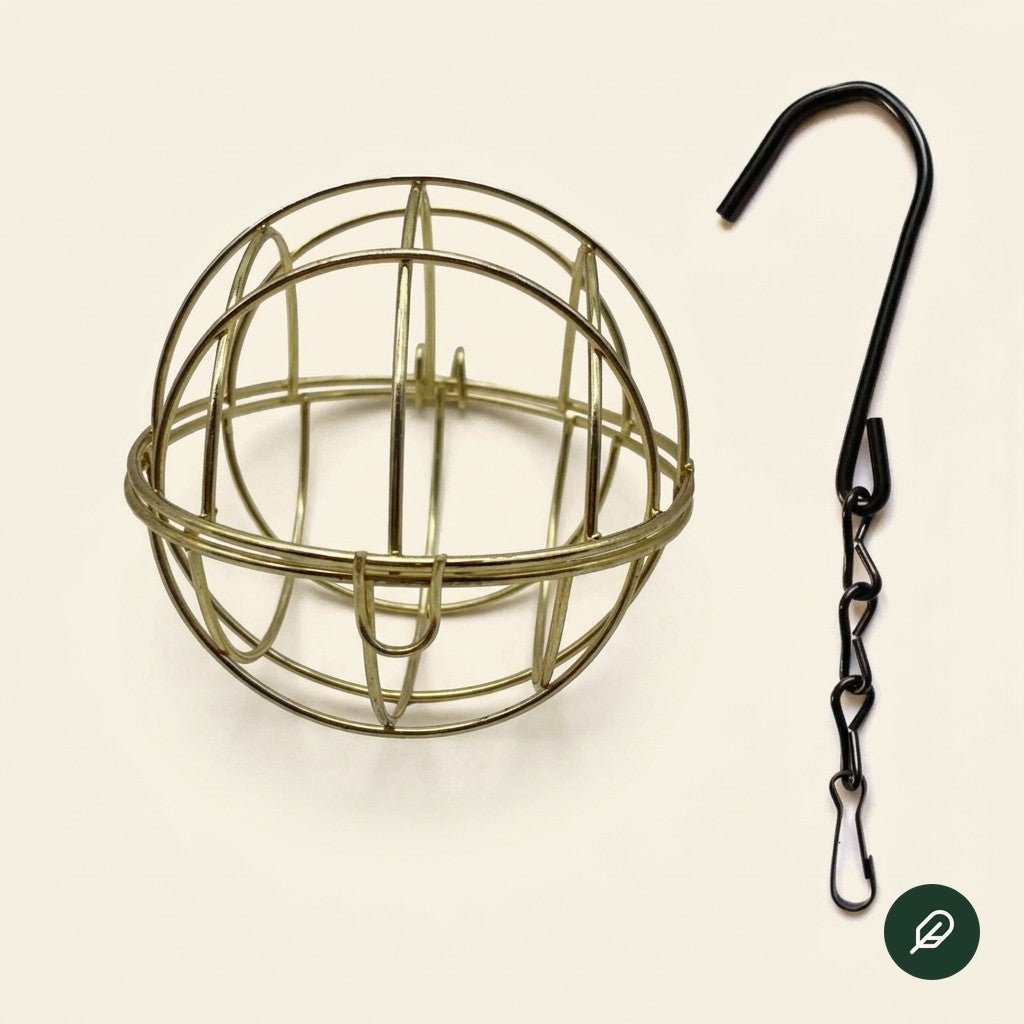
Round Suet Ball Cage
A small round wire cage made to hold one suet or fat ball. The hinged cage opens for refilling and closes with a simple wire latch. A short chain and hook are included for hanging. Available in gold-colored or black finish. This is a suet holder, not a hummingbird feeder.
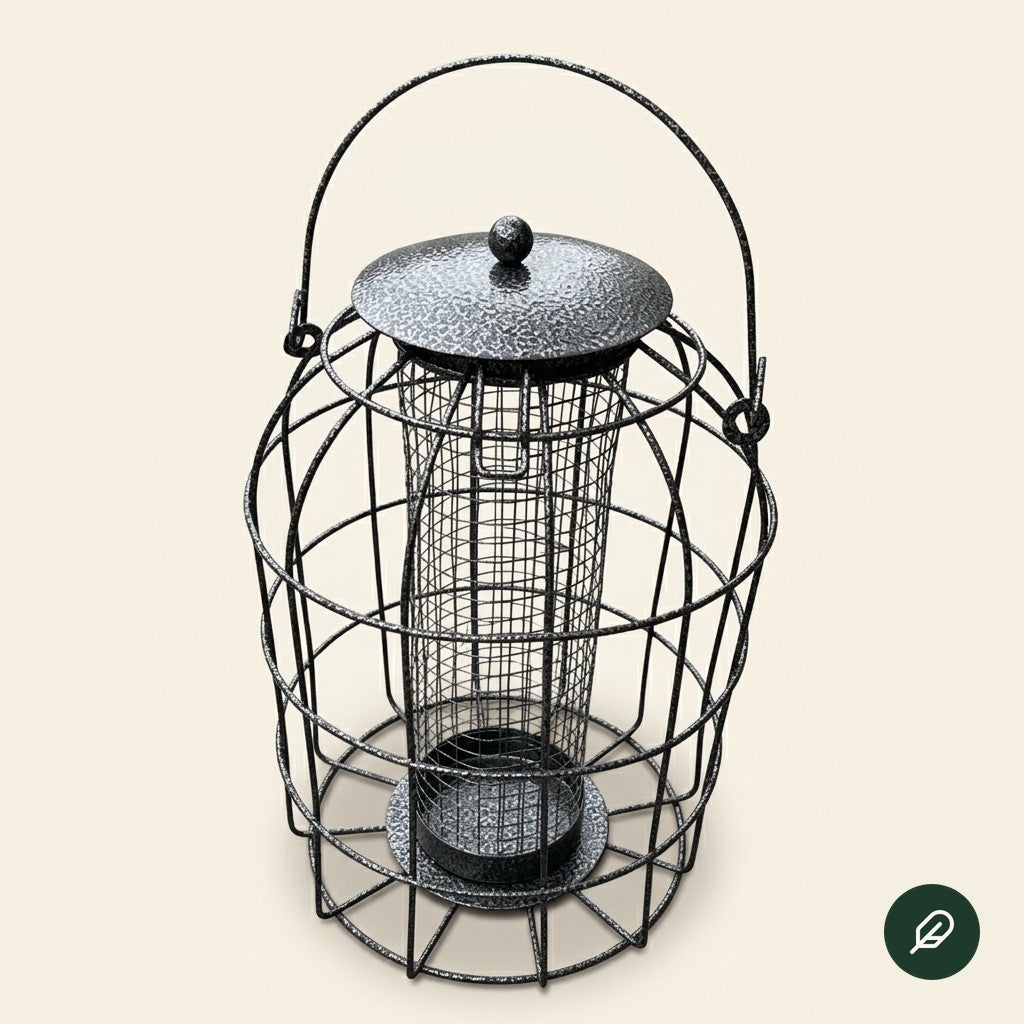
Caged Tube Bird Feeder
A metal tube feeder inside a wide protective cage. The outer cage limits access by squirrels and larger birds while smaller birds can reach the inner seed tube. A top handle makes it easy to hang, and the lid lifts for refilling. Available in black or green. No feeder is completely squirrel-proof, so placement still matters.
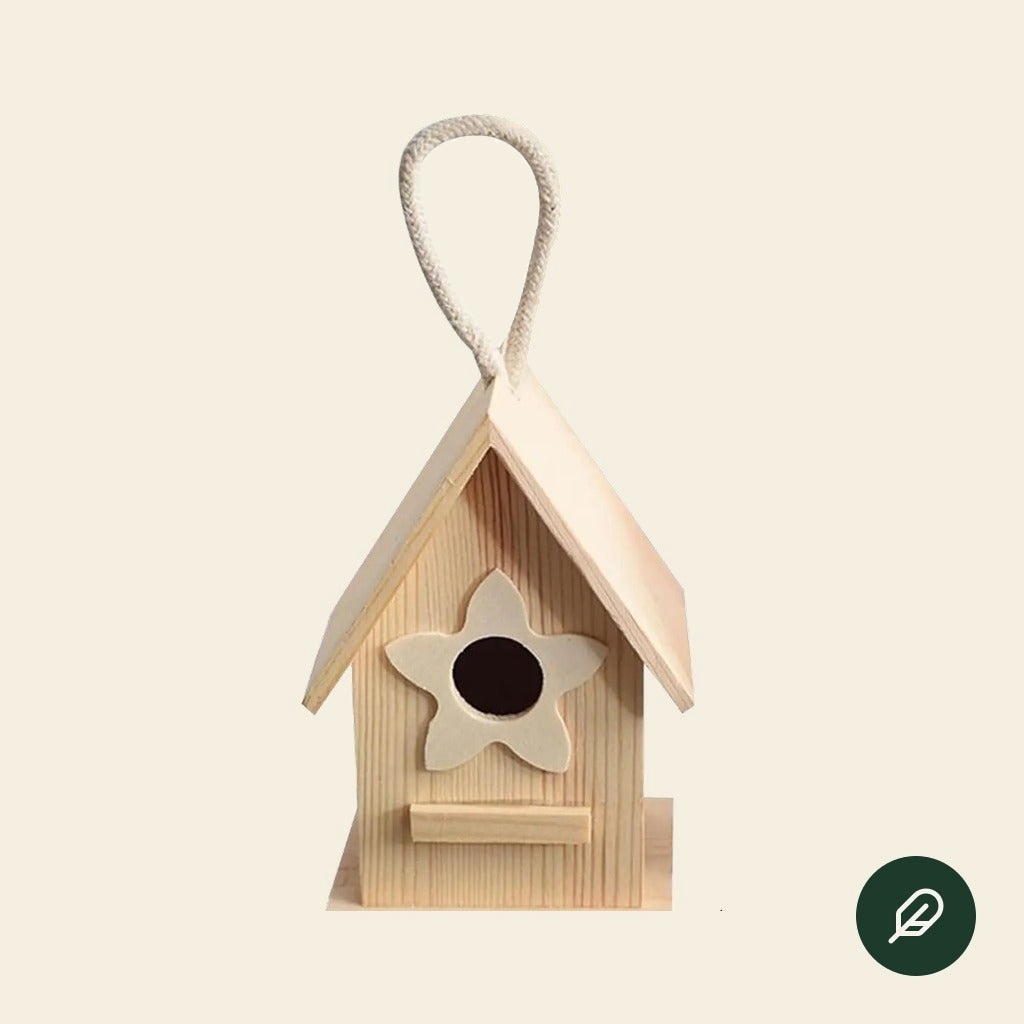
Classic Wooden Nest Box
A straightforward wooden nest box for small garden birds. The enclosed design gives cavity nesters shelter from weather and predators through the breeding season.Place in a quiet spot with a clear flight path to the entrance, and clean annually after fledging. Natural wood Enclosed cavity design For wrens, chickadees, tits and similar species

- Species in Canada
- Black-capped, Boreal, Chestnut-backed, Mountain
- Favourite food
- Black-oil sunflower, shelled peanuts, suet
- Box entrance
- 1 1/8 in (28.5 mm)
- Box floor
- 4 × 4 in (10 × 10 cm)
- Box height
- 5–15 ft (1.5–4.5 m)
Which chickadee lives near you
The Black-capped Chickadee is the one most Canadians know — the provincial bird of New Brunswick and a year-round resident from the Maritimes to the Yukon and BC. Where you live may add another species.
- Boreal Chickadee: brown cap, raspy call, in spruce and fir forest across the north and in the Maritimes and northern Ontario. Visits feeders near boreal forest.
- Chestnut-backed Chickadee: rich chestnut back and sides, coastal BC including Vancouver and Victoria.
- Mountain Chickadee: white eyebrow stripe, in mountain conifer forest in BC's interior and western Alberta, including Calgary in some winters.
How chickadees survive a Canadian winter
A Black-capped Chickadee weighs about 11 grams. To get through a -30°C night, it fattens up during the day, roosts in a sheltered cavity, shivers to produce heat and can lower its body temperature by around 12–15°F (7–8°C) at night to save energy, according to the Cornell Lab. It also stores food: chickadees hide thousands of seeds each autumn, each in a different spot, and remember where many of them are.
That's why they come to feeders so readily. A chickadee takes one seed, flies off to eat or cache it, and returns. The constant back-and-forth isn't greed — it's how they work.
What to feed
Chickadees are easy to please.
- Black-oil sunflower seed in a tube or hopper feeder.
- Shelled peanuts or peanut pieces in a mesh or caged feeder.
- Suet in a cage, especially in deep cold.
- Sunflower hearts if you want no shells under the feeder.
- Caged feeders keep jays and squirrels off while chickadees fit through easily.
Make the yard work for them
Feeders help in winter, but chickadees choose a yard for cover and insects. Dense evergreens — spruce, fir, cedar, pine — give shelter from wind and from hawks. Native trees and shrubs that host caterpillars (willows, birches, oaks where they grow) feed the young in spring; a chickadee pair may bring several thousand caterpillars to one brood. Leave some dead branches and snags where it's safe. Chickadees excavate nest holes in soft, rotting wood.
Water helps too. A heated bath in winter or a shallow dish in summer brings chickadees in to drink, and they bathe more often than most people expect, even on cold days when the sun is out.
Nest boxes for chickadees
Black-capped, Chestnut-backed, Mountain and Boreal Chickadees all use nest boxes. NestWatch recommends an entrance of 1 1/8 inches (28.5 mm), a floor of about 4 × 4 inches, and a box 8–9 inches deep, mounted 5–15 feet up. That hole is small enough to keep out House Sparrows, which need about 1 1/4 inches.
- Put boxes up by early spring — chickadees start choosing sites in March and April.
- Add an inch of wood shavings; chickadees like to excavate a little before building a moss nest.
- Face the box away from prevailing wind and afternoon sun.
- Skip the perch. Chickadees don't need it and it helps predators.
- Use untreated wood, with ventilation and drainage holes.
- Clean out old nests in fall.
Hand-feeding
Black-capped Chickadees are famous for taking seed from a hand, and in parks across Canada you'll see people doing it. At home, stand still beside the feeder with sunflower seed on your open palm, at the same time each day. Some birds will land within days, others never. Keep it occasional and keep the feeders clean; the goal is a healthy flock, not a dependent one.
Following the flock
In winter, chickadees travel in small flocks of about six to ten birds with a set territory, often joined by nuthatches, Downy Woodpeckers and kinglets. If your yard is inside a flock's range, you'll see the same birds daily on a fairly regular schedule. Keeping food available through the coldest weeks helps the flock rely on your yard. In spring, the flock breaks up into pairs and you may see fewer birds at the feeder, which is normal.
Sources
Species facts and nest box dimensions follow the Cornell Lab of Ornithology and NestWatch.
Frequently asked
What is the best food to attract chickadees?
Black-oil sunflower seed, shelled peanuts and suet. Chickadees take one item at a time and often cache it nearby.
What size hole does a chickadee nest box need?
1 1/8 inches (28.5 mm), with a floor about 4 × 4 inches, mounted 5–15 feet up.
Which chickadees live in Canada?
Black-capped across most of the country, Boreal in northern spruce forest, Chestnut-backed on the BC coast and Mountain in BC's interior and western Alberta.
How do chickadees survive -30°C nights?
They fatten up by day, roost in cavities, shiver to make heat and lower their body temperature at night to save energy.
More Canadian winter guides
- Heated Bird Baths in Canada: Keeping Water Open at -20°C
In a Canadian winter, open water can draw more birds than any feeder. How deicers work, what wattage you need for prairie cold versus a coastal winter, and the safety marks to look for.
- Winter Bird Feeding in Canada: Foods, Feeders and What Shows Up
From chickadees and nuthatches to redpolls and grosbeaks, what to feed through a Canadian winter, which feeders cope with snow and ice, and how to plan for the finch years.
- Squirrel-Proof Bird Feeders in Canada: Red, Grey and Black Squirrels
Canada has two very different feeder raiders: the small, fearless red squirrel and the larger eastern grey (often black). What stops each one, and why snow depth changes your baffle height.
- Bird Feeders for Condos and Balconies in Canada
You can feed birds from a Toronto, Vancouver or Calgary condo — but check your building's rules, choose no-mess food and pick the right floor height. A practical guide to window and balcony feeders.
More troubleshooting
- Why Birds Stopped Coming to Your Feeder (and What to Do by Season)
- Keeping House Sparrows Out of Bluebird and Chickadee Boxes
- A Hawk Is Hunting at My Bird Feeder: What It Means and What to Do
- Keep Squirrels Off a Shepherd's Hook and Out of Feeders
- How to Get Rid of Grackles at Your Feeders (Without Losing the Birds You Want)
- How to Keep Starlings Off Your Feeders (Suet, Seed and Nest-Box Problems)
- How to Stop Raccoons Raiding Your Bird Feeders (and Your Nest Boxes)
- Bears and Bird Feeders: When to Take Feeders Down (and How to Feed Birds in Bear Country)
- How to Stop Rats and Mice Moving In Under Your Bird Feeders
- Bird Feeder Placement: Height, Distance and Sightlines That Actually Work
- How to Keep Cats Away From Your Bird Feeders (Yours and the Neighbors')
- Sick Birds at Your Feeder: House Finch Eye Disease, Salmonella and What To Do
- How to Keep Crows and Jays From Taking Over Your Feeders
- Why a Woodpecker Is Pecking Your House (and How to Make It Stop)
- Choosing and Placing a Bird Bath: Depth, Material, Moving Water and Location
- How to Clean a Bird Bath: Algae, Safe Cleaning and Mosquitoes
- Bird Bath Water Through the Seasons: Freezing Winters and Summer Heat
- Why Birds Won't Use Your Bird Bath: 8 Common Reasons and Fixes
- Window Bird Feeders in the UK: Which Birds Use Them and How to Make One Stick
- How to Set Up a Bird Feeding Station in a UK Garden
- Robin Bird Box: Open-Front Design, Height and Where to Put It
- Squirrel-Proof Bird Feeders in the UK: What Stops Grey Squirrels
- Bird Baths for UK Gardens: Depth, Placement and Keeping Ice Off
- Caged Bird Feeders: Keep Out Squirrels, Starlings and Grackles
- Upside-Down Suet Feeders: Feed Woodpeckers, Not Starlings
- Window Bird Feeders: Which Ones Stay Up, and Which Birds Come
- Bird Feeder Pole Setup: Height, Depth and Baffle Placement
- Deck Railing Bird Feeders: Mounting, Mess and Squirrels