Why a Woodpecker Is Pecking Your House (and How to Make It Stop)
Drumming, excavating, foraging — a woodpecker hits your siding for one of three reasons, and each has a different fix. What works, what's legal, and when to just wait it out.
8 min read · Updated 2026-10-01
Equipment for this job
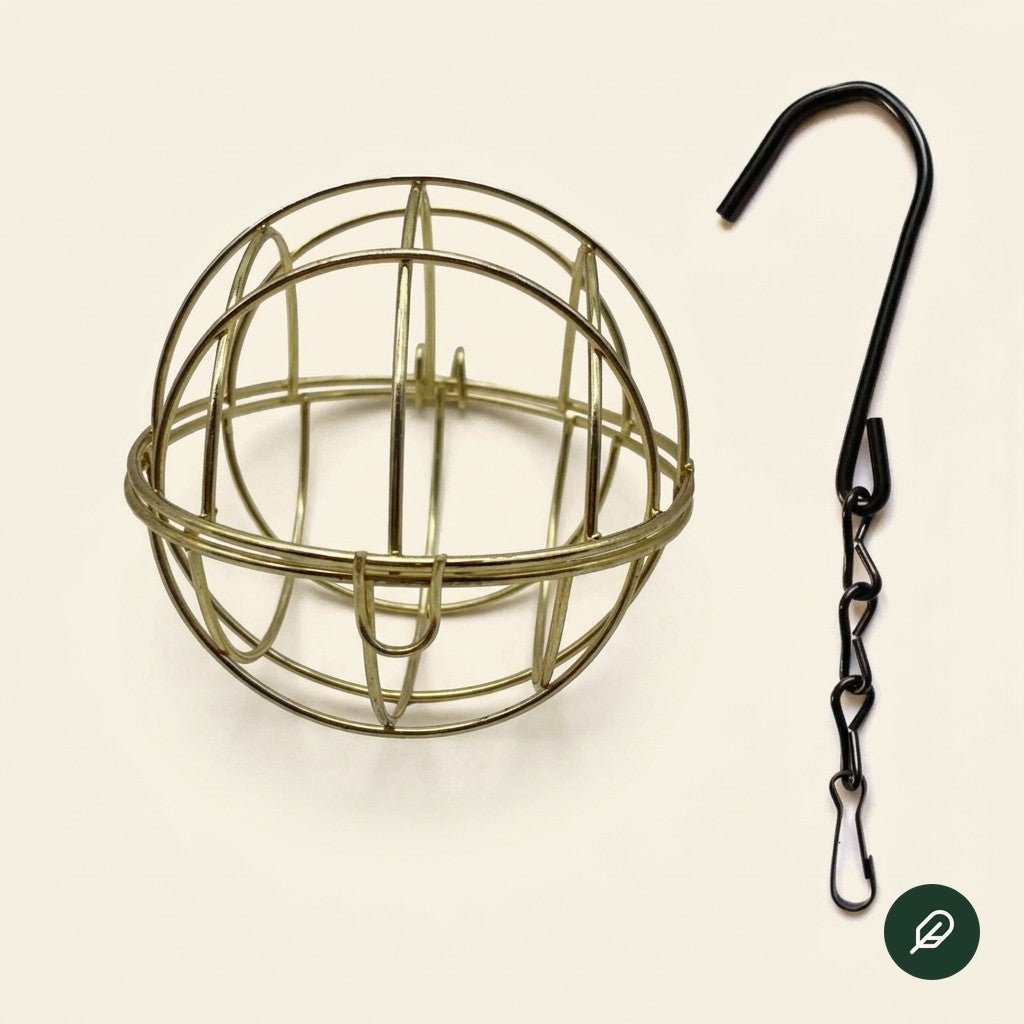
Redirect a foraging or drumming woodpecker with a dedicated suet station at the yard's edge — fed birds leave walls alone.

- Drumming season
- Peak March–June (territory + mate attraction); also fall drumming
- Damage species
- Mostly Northern Flickers, sapsuckers, Red-bellied and Hairy Woodpeckers
- Legal
- All woodpeckers are federally protected — no harming, trapping or eggs
- Best deterrents
- Physical barriers, exclusion, redirect feeding; repellents largely fail
- Repair spec
- Fix holes with matching cedar or wood filler; seal cavities fully
First, diagnose which of the three behaviors you have
Woodpeckers hit buildings for three distinct reasons, and the fix differs for each. Drumming (rapid, rhythmic pecking, usually on metal gutters, flashing, trim or hollow-sounding siding) is communication — a territory and mating announcement, like a songbird's song. It leaves dents but no holes, peaks in spring (March–June) and again in early fall, and usually stops within a couple of weeks once nesting is set. Excavating (digging round holes, often in cedar, redwood or stucco) is either roost/nest cavity construction — big, deep, round holes — or, in spring, the work of a pair choosing your wall as a nest site. Foraging (small, scattered, shallow holes or probe marks, often along siding seams, under eaves, or in wood with insect tunnels) means the bird is eating something living in your wall.
Check the timing and the hole shape before spending money. Drumming in March on your aluminum gutter needs almost nothing — patience or a simple noise alternative for the bird. Round holes two inches deep in June means a cavity; you need to act before eggs appear, because an active nest cannot legally be disturbed. Shallow probing in rows means insects; the fix is in the wall, not the bird.
Drumming: give the drummer a better instrument
Drumming birds choose resonant surfaces — metal, hollow trim — because the point is volume. The most effective humane response is redirection: mount a wooden drumming board (a square of cedar or plywood over a hollow gap) on a pole or tree at the yard's edge, ideally before spring starts. Many drummers switch to the board and abandon the gutter. This works best started early in the season; once a male is locked onto your gutter as his territory marker, displacement takes longer.
On the house itself, temporary physical damping works: foam or cloth stuffed loosely behind the drummed surface kills the resonance, and birds rarely persist on a silent instrument. Visual deterrents (mylar strips, hawk silhouettes) have weak, short-lived effects on drummers — a week's habituation is typical. Don't expect miracles in spring; drumming is a few weeks of noise and it ends. If the bird returns every spring, the drumming board becomes the permanent fix — installed once, it usually holds for years.
- Mount a wooden drumming board at the yard edge before March.
- Damp the drummed surface with foam or cloth behind it — resonance is the point.
- Visual deterrents fade in about a week; use only as a bridge.
- Spring drumming ends on its own within a few weeks.
Excavation and nesting: act before eggs
A round, deep hole means the bird is building a cavity — and if it's spring, possibly a nest. Woodpeckers are protected under the Migratory Bird Treaty Act: you may deter them and repair holes, but once a nest contains eggs or young, you cannot legally disturb it, and enforcement is real. So the moment you see excavation starting, respond fast: cover the hole area temporarily (hardware cloth or sheet metal tacked over the spot), and make the surface unattractive immediately.
Why your wall? Woodpeckers excavate in soft, resonant, or insect-damaged wood — cedar and redwood siding, stucco over foam (which sounds hollow), or board batten with gaps. Long-term prevention is material and maintenance: keep siding painted or sealed, fix insect infestations promptly, and on repeated-damage walls consider hardi-plank or metal flashing over the targeted section. Where a pair is determined, the displacement strategy from drumming applies double: a nest box mounted on a nearby tree or pole (sized for the species — flickers want a 2½-inch hole and aspen or cedar box) frequently redirects excavation before eggs appear. Flicker boxes work; this is the standard fix suburban birders use.
Damage near the roofline needs a separate safety check before repairs. If you notice loose flashing, a roof leak or ceiling stains, arrange an inspection rather than climbing up to patch the hole yourself. For roof-access precautions, USA Home Aid’s roof and storm damage safety checklist advises staying off damaged or wet roofs and photographing damage from the ground or inside the home. Check any repair provider’s credentials, insurance and written estimate before agreeing to work.
Foraging: the problem is in the wall
Shallow probing holes, especially in rows or along seams, mean insects — typically carpenter ant galleries, wood-boring beetle larvae, or termites under the siding. The woodpecker is doing you a service: it found the infestation before you did. The durable fix is an inspection and treatment by a pest professional; as long as insects live in the wall, woodpeckers will return, and no deterrent outcompetes a food source. After treatment, fill and seal the probe holes so the wall stops broadcasting 'food here.'
Sapsuckers are a special case: they drill neat rows of small holes in living trees (and occasionally painted trim) to feed on sap and trapped insects. Tree damage is usually cosmetic on healthy trees; wrap vulnerable young trees with burlap or hardware cloth in spring, and leave the sapsucker to feed elsewhere. Sapsucker damage to homes is rare — their drilling is about sap flow, not cavities.
What doesn't work, and the legal line
Sticky repellents and tacky gels are off the table: they mat feathers and can kill birds, and applying them is effectively harming a protected species. Noise and visual deterrents fade fast against a motivated excavator. Poisoning, trapping, shooting, or destroying eggs or nests are all federal offenses. The legal toolkit is: physical barriers, exclusion, redirection (drumming boards, nest boxes), habitat changes (remove dead limbs that host the insects they forage, keep siding maintained), and timing — most drumming problems end in weeks anyway.
One more honest note: woodpecker damage complaints spike in neighborhoods backed by woods, and the species doing most of the damage (Northern Flicker, sapsuckers) are in long-term decline regionally. The nest-box redirect is worth trying before anything more aggressive — flickers displaced from your wall will often occupy a proper box the same week, and you'll have traded a wall repair for a front-row seat to a flicker family.
Frequently asked
Why is a woodpecker pecking my house?
One of three reasons: drumming (territory/mate advertising — dents, no holes, spring), excavating a cavity (round deep holes), or foraging for insects living in the wall (shallow probing holes). The fix depends on which.
Is it legal to kill a woodpecker damaging my house?
No. All woodpeckers are protected under the Migratory Bird Treaty Act. Deterrence, exclusion and redirection are the legal tools; active nests with eggs or young can't be disturbed.
How do I stop woodpecker drumming on my gutters?
Damp the surface (foam behind it kills the resonance) and mount a wooden drumming board at the yard's edge. Spring drumming also ends on its own within a few weeks.
Will a fake owl stop a woodpecker?
Barely, and only for about a week. Habituation is fast. Physical barriers and redirection are the durable fixes.
More troubleshooting
- Why Birds Stopped Coming to Your Feeder (and What to Do by Season)
- Keeping House Sparrows Out of Bluebird and Chickadee Boxes
- A Hawk Is Hunting at My Bird Feeder: What It Means and What to Do
- Keep Squirrels Off a Shepherd's Hook and Out of Feeders
- How to Get Rid of Grackles at Your Feeders (Without Losing the Birds You Want)
- How to Keep Starlings Off Your Feeders (Suet, Seed and Nest-Box Problems)
- How to Stop Raccoons Raiding Your Bird Feeders (and Your Nest Boxes)
- Bears and Bird Feeders: When to Take Feeders Down (and How to Feed Birds in Bear Country)
- How to Stop Rats and Mice Moving In Under Your Bird Feeders
- Bird Feeder Placement: Height, Distance and Sightlines That Actually Work
- How to Keep Cats Away From Your Bird Feeders (Yours and the Neighbors')
- Sick Birds at Your Feeder: House Finch Eye Disease, Salmonella and What To Do
- How to Keep Crows and Jays From Taking Over Your Feeders
- Choosing and Placing a Bird Bath: Depth, Material, Moving Water and Location
- How to Clean a Bird Bath: Algae, Safe Cleaning and Mosquitoes
- Bird Bath Water Through the Seasons: Freezing Winters and Summer Heat
- Why Birds Won't Use Your Bird Bath: 8 Common Reasons and Fixes
- Window Bird Feeders in the UK: Which Birds Use Them and How to Make One Stick
- How to Set Up a Bird Feeding Station in a UK Garden
- Robin Bird Box: Open-Front Design, Height and Where to Put It
- Squirrel-Proof Bird Feeders in the UK: What Stops Grey Squirrels
- Bird Baths for UK Gardens: Depth, Placement and Keeping Ice Off
- Heated Bird Baths in Canada: Keeping Water Open at -20°C
- Winter Bird Feeding in Canada: Foods, Feeders and What Shows Up
- Squirrel-Proof Bird Feeders in Canada: Red, Grey and Black Squirrels
- Bird Feeders for Condos and Balconies in Canada
- How to Attract Chickadees in Canada: Food, Nest Boxes and Winter Care
- Caged Bird Feeders: Keep Out Squirrels, Starlings and Grackles
- Upside-Down Suet Feeders: Feed Woodpeckers, Not Starlings
- Window Bird Feeders: Which Ones Stay Up, and Which Birds Come
- Bird Feeder Pole Setup: Height, Depth and Baffle Placement
- Deck Railing Bird Feeders: Mounting, Mess and Squirrels