Heated Bird Baths in Canada: Keeping Water Open at -20°C
In a Canadian winter, open water can draw more birds than any feeder. How deicers work, what wattage you need for prairie cold versus a coastal winter, and the safety marks to look for.
8 min read · Updated 2026-10-27
Equipment for this job
Thermostatic deicers for an existing bath. Check each listing for its electrical certification before buying.
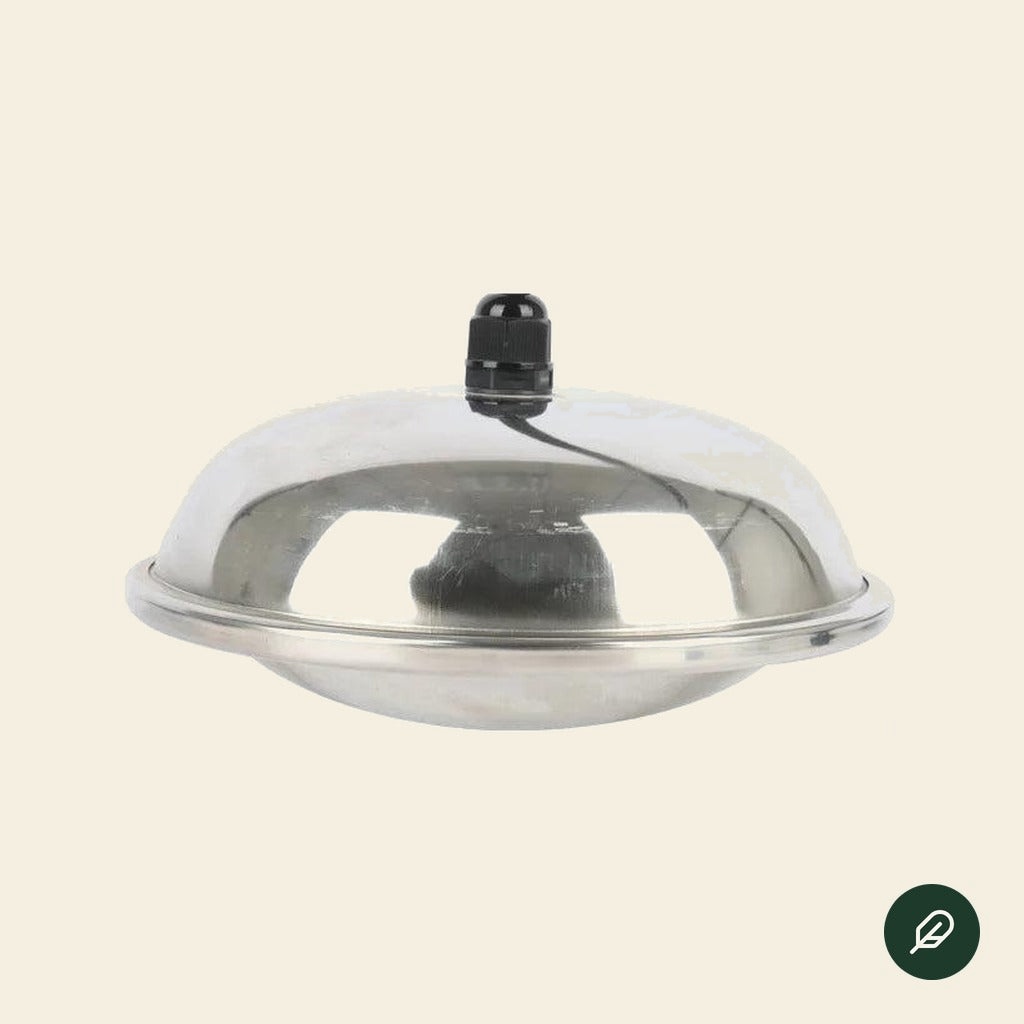
Stainless Steel Pond and Birdbath Deicer
A stainless steel dome heater that sits in a pond or large birdbath and keeps a patch of water open through freezing weather, so birds can still drink and bathe in winter. It has a built-in thermostat and a dry-run cut-off that switches the heater off if it's left out of water. Dimensions: 180 mm (7.1 in) across, 83.9 mm (3.3 in) tall Material: stainless steel dome, black power cord Power options: 100W, 150W, 200W, 250W or 300W. Smaller birdbaths need less power; ponds and very cold areas need more. Weight: about 1.9 kg (4.1 lb) Plug: US 3-prong, 120V Use with a GFCI-protected outdoor outlet. Keep the cord out of reach of pets and away from where people walk.
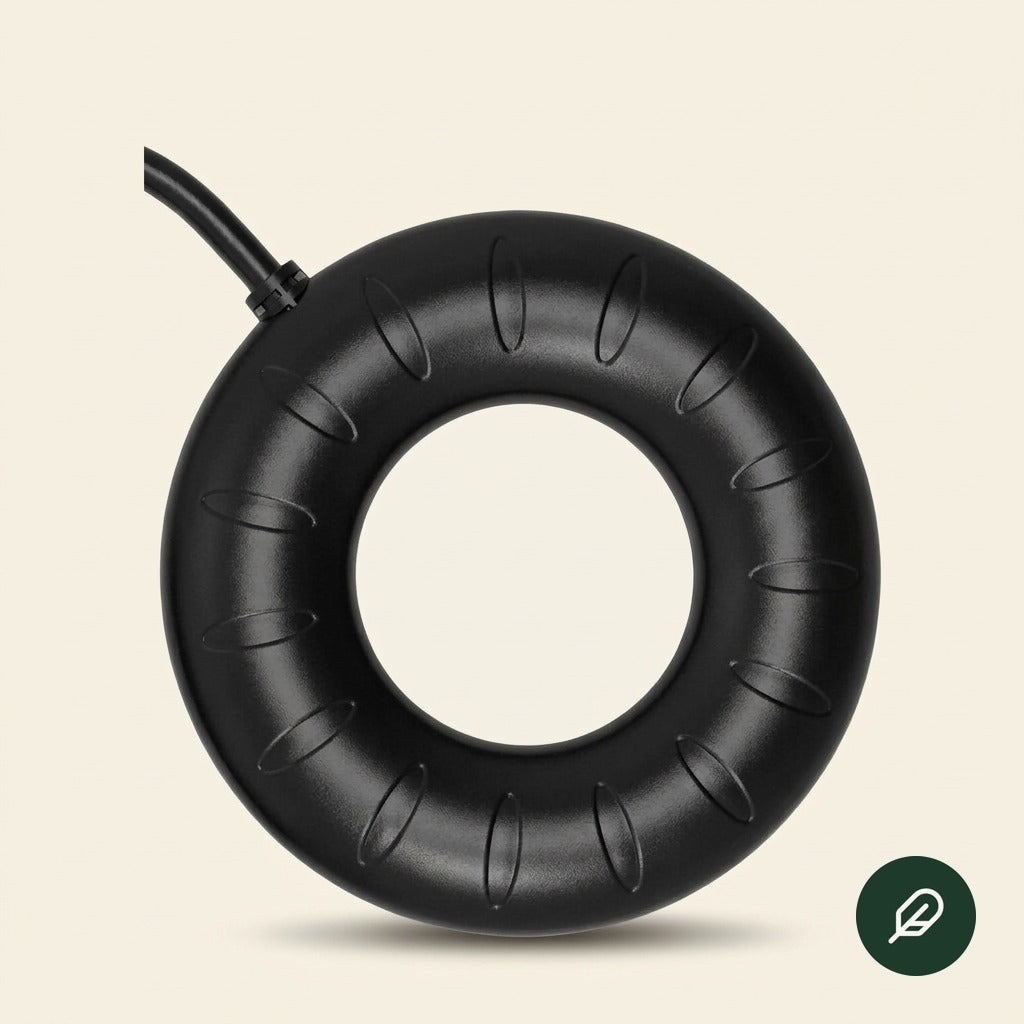
70W Trough and Bath Deicer
A 70-watt submersible deicer that keeps a small open-water area in a bird bath or livestock trough through hard freezes. Runs on standard 120V US household power with a thermostatic control that switches on near freezing and off when the water is ice-free, so it does not run continuously.Specs: 70 W, 120V US plug, submersible sealed element, black housing. Sized for small baths and troughs; it keeps a drinking hole open rather than warming the whole bath — birds only need liquid water, not warm water.Safety note: this is an electrical appliance used outdoors in water. We list it only once a valid UL/ETL safety certification is confirmed. Always plug into a GFCI-protected outdoor outlet and route the cord so birds and pets cannot chew it.
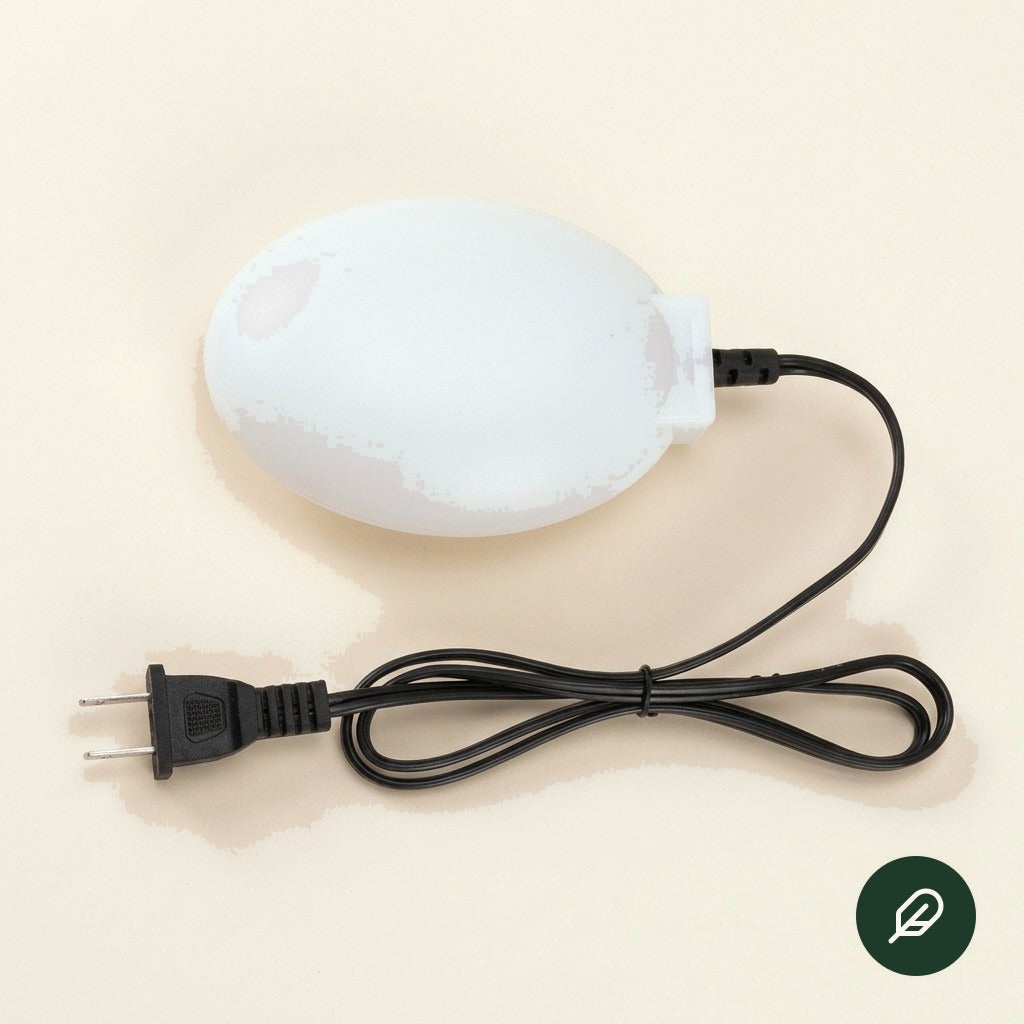
Birdbath Deicer with Auto Shut-Off
A compact birdbath deicer with a built-in thermostat and automatic shut-off. It sits in the basin and keeps a patch of water ice-free so birds can drink through winter — liquid water is harder for birds to find than food in a hard freeze.Specs: thermostatically controlled (activates near freezing, shuts off automatically), US plug, white housing that blends into light-colored basins.Safety note: this is an electrical appliance used outdoors in water. We list it only once a valid UL/ETL safety certification is confirmed. Always use a GFCI-protected outdoor outlet, and never run it in a dry basin.

- Typical deicer
- 50–150 W with a thermostat
- Thermostat
- Switches on near freezing, off as water warms
- Safety marks (Canada)
- CSA, cUL or cETL
- Outlet
- Outdoor-rated, GFCI-protected
- Depth
- 1–2 in (2.5–5 cm) is enough in winter
Why winter water matters in Canada
Birds can eat snow, but melting it costs body heat that a 12-gram chickadee at -25°C (-13°F) can't easily spare. When every pond, creek and puddle is locked in ice from December to March, a patch of open water becomes a magnet. Many people who set up a heated bath find birds that never touch feeders — robins that overwinter in southern Ontario and coastal BC, Bohemian Waxwings, Common Redpolls, starlings — lining up to drink.
How a bird bath deicer works
A deicer is a sealed heating element that sits in the basin or clips to the edge. A built-in thermostat switches it on when the water nears freezing and off again once it has warmed slightly. It isn't trying to make the water warm, only to keep it liquid. That's why a good unit uses very little electricity on a mild day and runs most of the time during a cold snap.
Some baths have the heater built into the basin. Others are ordinary baths with a separate drop-in or clip-on deicer. Built-in baths look tidier; separate deicers let you keep a bath you already own.
Choosing wattage for your part of Canada
Wattage is about how much cold and wind the heater can fight. A small 50 W unit in a shallow basin will hold open water through most Vancouver or Halifax winters. On the Prairies or in northern Ontario, where -30°C (-22°F) nights and wind chill are routine, a low-wattage unit in a wide, exposed basin can lose the battle and ice over at the edges.
- Mild coastal winters (Lower Mainland, Vancouver Island, much of Nova Scotia): 50–75 W is usually enough.
- Southern Ontario, Quebec, the Maritimes interior: 75–150 W, or a smaller unit in a sheltered spot.
- Prairies, northern Ontario and Quebec, the territories: a higher-wattage unit, a smaller basin, and shelter from the wind.
- Whatever the wattage, a smaller, deeper-walled basin out of the wind stays open better than a wide flat one.
Safety: certification, outlets and cords
You are putting an electrical heater in water outdoors. In Canada, look for a CSA, cUL or cETL mark on the product or its packaging; those show it was certified to Canadian electrical standards. Check that mark on any listing before you buy, including ours.
- Plug only into an outdoor-rated outlet with GFCI protection and a weatherproof cover.
- If you need an extension cord, use one rated for outdoor use and cold weather; some cord jackets crack in deep cold.
- Keep connections off the ground and out of snow and meltwater.
- Never let the basin run dry with the heater on. Check the level every day or two; birds and evaporation empty it faster than you'd think.
- Match the deicer to the basin material. Some aren't rated for plastic baths.
Placement in snow country
Put the bath near cover but in the open, within sight of a window so you notice when it needs topping up. In heavy snow areas, a pedestal bath keeps the basin above drifts. Clear snow from around the base occasionally so birds can see it. If you also run a feeding station, keep the bath a few metres away so seed and hulls don't foul the water.
In winter, keep the water shallow — 1 to 2 inches (2.5–5 cm). Birds mostly drink rather than bathe in deep cold, and a soaked bird at -20°C is at risk. Some people add a few stones so birds can drink without wading.
Cleaning in winter
Cleaning a heated bath in January isn't fun, but droppings still build up. Every week or two, unplug the heater, tip the water, wipe the basin with a stiff brush and hot water, and refill. Mineral scale on the element comes off with a vinegar soak at the end of the season. Store the deicer dry over summer.
Without power
No outdoor outlet? Swap two dark plastic dishes: one outside, one inside thawing, changed morning and afternoon. A dark dish in sunshine stays open longer. Never add antifreeze, salt or glycerine.
Sources
Winter water and feeding advice follows Project FeederWatch, a joint programme of the Cornell Lab of Ornithology and Birds Canada.
Frequently asked
Do birds need water in winter in Canada?
Yes. Birds can eat snow, but it costs them body heat. Open water draws many species, including some that never visit feeders.
What wattage bird bath heater do I need?
Around 50–75 W for mild coastal winters, 75–150 W for southern Ontario and Quebec, and a higher-wattage unit in a sheltered spot on the Prairies and further north.
What certification should a bird bath heater have in Canada?
Look for a CSA, cUL or cETL mark, and plug it into an outdoor GFCI-protected outlet.
How deep should a heated bird bath be in winter?
Shallow — about 1 to 2 inches (2.5–5 cm). Birds mostly drink rather than bathe in deep cold.
More Canadian winter guides
- Winter Bird Feeding in Canada: Foods, Feeders and What Shows Up
From chickadees and nuthatches to redpolls and grosbeaks, what to feed through a Canadian winter, which feeders cope with snow and ice, and how to plan for the finch years.
- Squirrel-Proof Bird Feeders in Canada: Red, Grey and Black Squirrels
Canada has two very different feeder raiders: the small, fearless red squirrel and the larger eastern grey (often black). What stops each one, and why snow depth changes your baffle height.
- Bird Feeders for Condos and Balconies in Canada
You can feed birds from a Toronto, Vancouver or Calgary condo — but check your building's rules, choose no-mess food and pick the right floor height. A practical guide to window and balcony feeders.
- How to Attract Chickadees in Canada: Food, Nest Boxes and Winter Care
Canada has four regular chickadees — Black-capped, Boreal, Chestnut-backed and Mountain. Which one lives near you, what they eat at feeders, and the nest box size that suits them.
More troubleshooting
- Why Birds Stopped Coming to Your Feeder (and What to Do by Season)
- Keeping House Sparrows Out of Bluebird and Chickadee Boxes
- A Hawk Is Hunting at My Bird Feeder: What It Means and What to Do
- Keep Squirrels Off a Shepherd's Hook and Out of Feeders
- How to Get Rid of Grackles at Your Feeders (Without Losing the Birds You Want)
- How to Keep Starlings Off Your Feeders (Suet, Seed and Nest-Box Problems)
- How to Stop Raccoons Raiding Your Bird Feeders (and Your Nest Boxes)
- Bears and Bird Feeders: When to Take Feeders Down (and How to Feed Birds in Bear Country)
- How to Stop Rats and Mice Moving In Under Your Bird Feeders
- Bird Feeder Placement: Height, Distance and Sightlines That Actually Work
- How to Keep Cats Away From Your Bird Feeders (Yours and the Neighbors')
- Sick Birds at Your Feeder: House Finch Eye Disease, Salmonella and What To Do
- How to Keep Crows and Jays From Taking Over Your Feeders
- Why a Woodpecker Is Pecking Your House (and How to Make It Stop)
- Choosing and Placing a Bird Bath: Depth, Material, Moving Water and Location
- How to Clean a Bird Bath: Algae, Safe Cleaning and Mosquitoes
- Bird Bath Water Through the Seasons: Freezing Winters and Summer Heat
- Why Birds Won't Use Your Bird Bath: 8 Common Reasons and Fixes
- Window Bird Feeders in the UK: Which Birds Use Them and How to Make One Stick
- How to Set Up a Bird Feeding Station in a UK Garden
- Robin Bird Box: Open-Front Design, Height and Where to Put It
- Squirrel-Proof Bird Feeders in the UK: What Stops Grey Squirrels
- Bird Baths for UK Gardens: Depth, Placement and Keeping Ice Off
- Caged Bird Feeders: Keep Out Squirrels, Starlings and Grackles
- Upside-Down Suet Feeders: Feed Woodpeckers, Not Starlings
- Window Bird Feeders: Which Ones Stay Up, and Which Birds Come
- Bird Feeder Pole Setup: Height, Depth and Baffle Placement
- Deck Railing Bird Feeders: Mounting, Mess and Squirrels